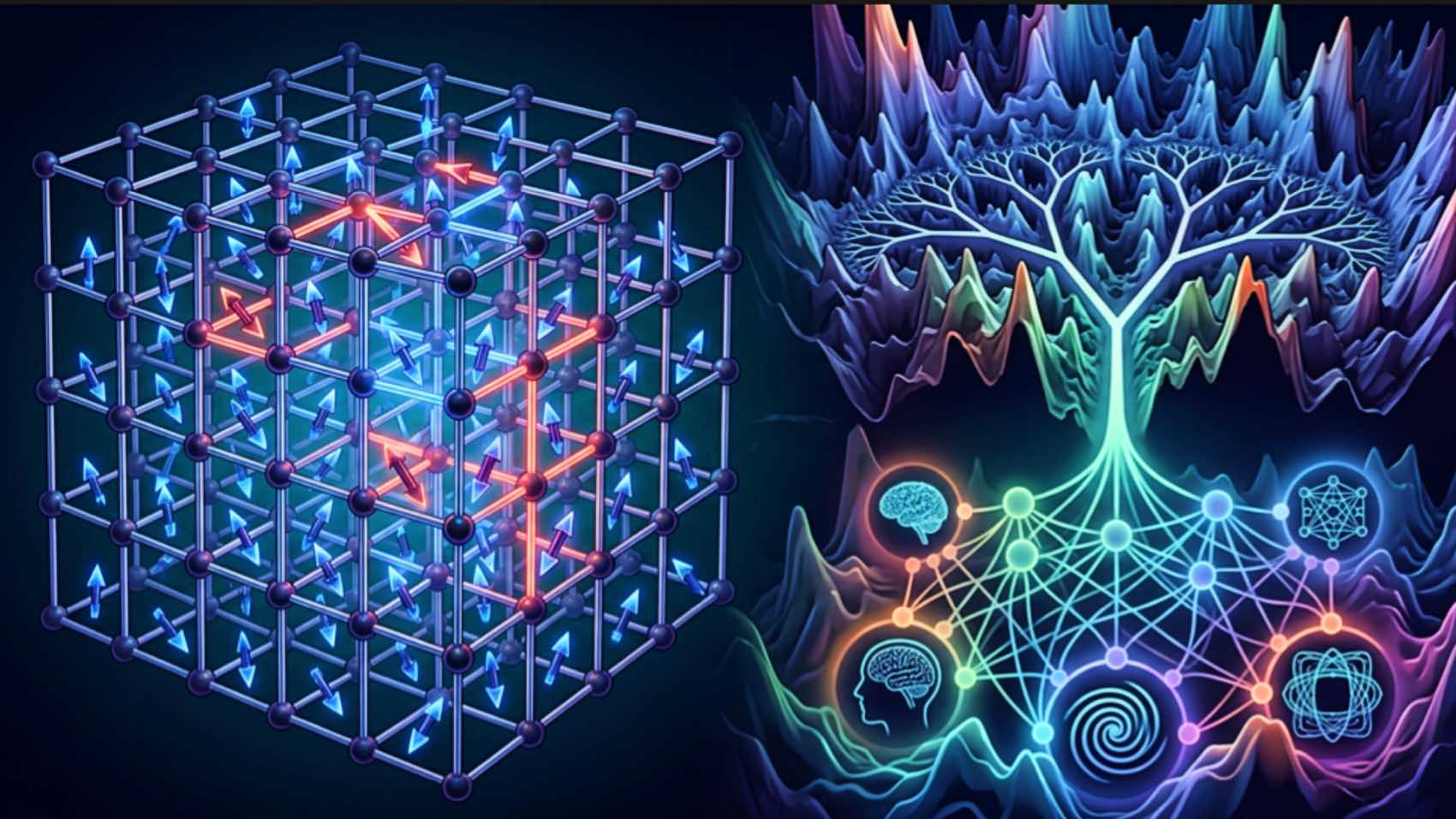
What Is Spin Glass? The Physics of Frustrated, Disordered Magnets
Spin glass is a disordered magnetic state that has quietly shaped neural-network theory, optimization algorithms, and a Nobel Prize. Here is what the physics actually

Spin glass is a disordered magnetic state that has quietly shaped neural-network theory, optimization algorithms, and a Nobel Prize. Here is what the physics actually

TOFA (5-tetradecyloxy-2-furoic acid) blocks fat production and is now at the center of a 2026 UC Berkeley obesity study. Here’s what it is and how it works.
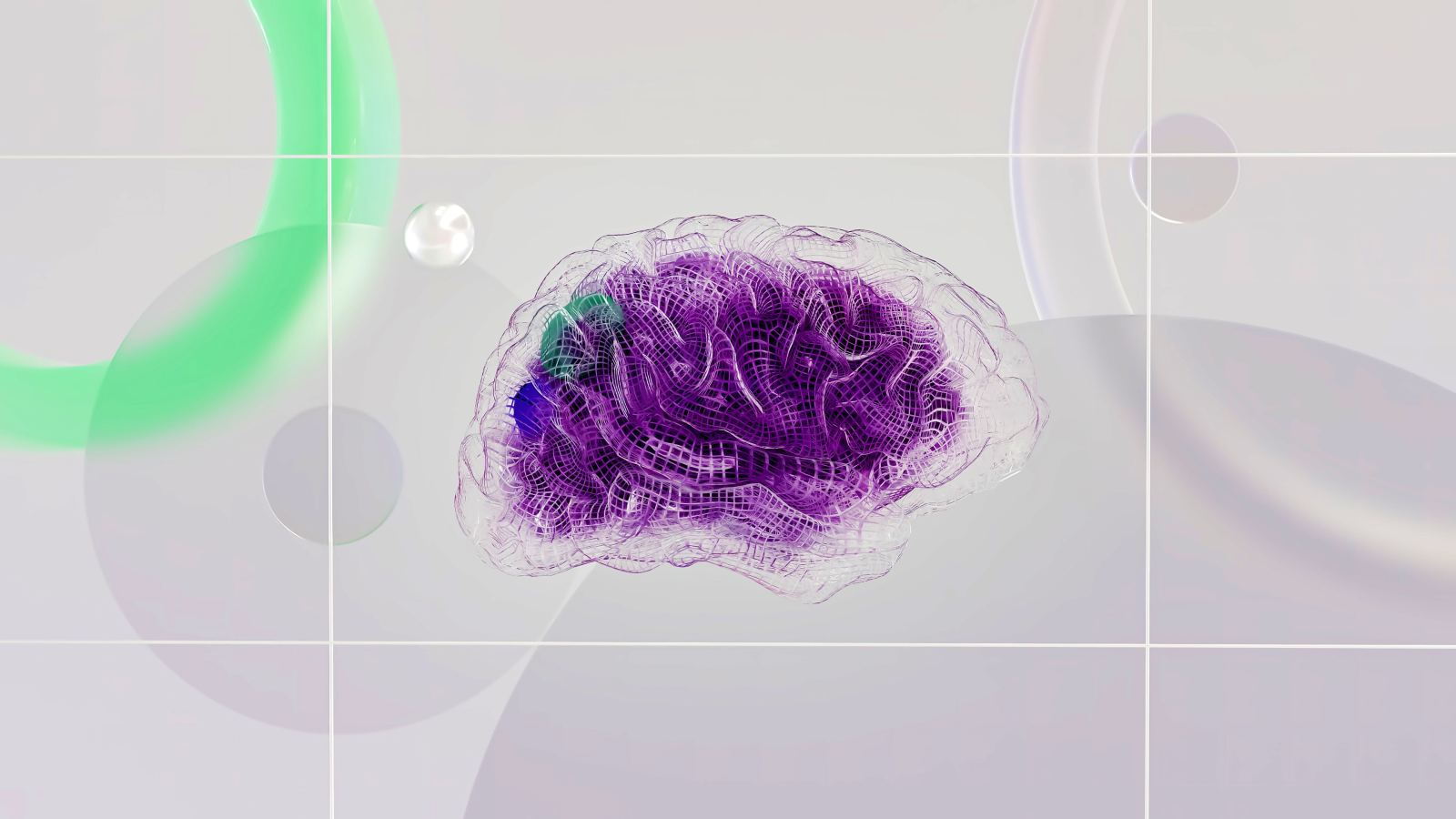
TIMP2 helps control the material surrounding cells, but its role goes far beyond acting as a simple molecular brake. Research in mice links this youth-associated protein to memory, brain plasticity, immune-cell function, and aging, while clinical tests already use it to help assess kidney injury risk.

Exerkines are exercise-linked molecules that help tissues communicate. Learn what they are, where they come from, what the evidence shows, and why an exercise pill remains distant.
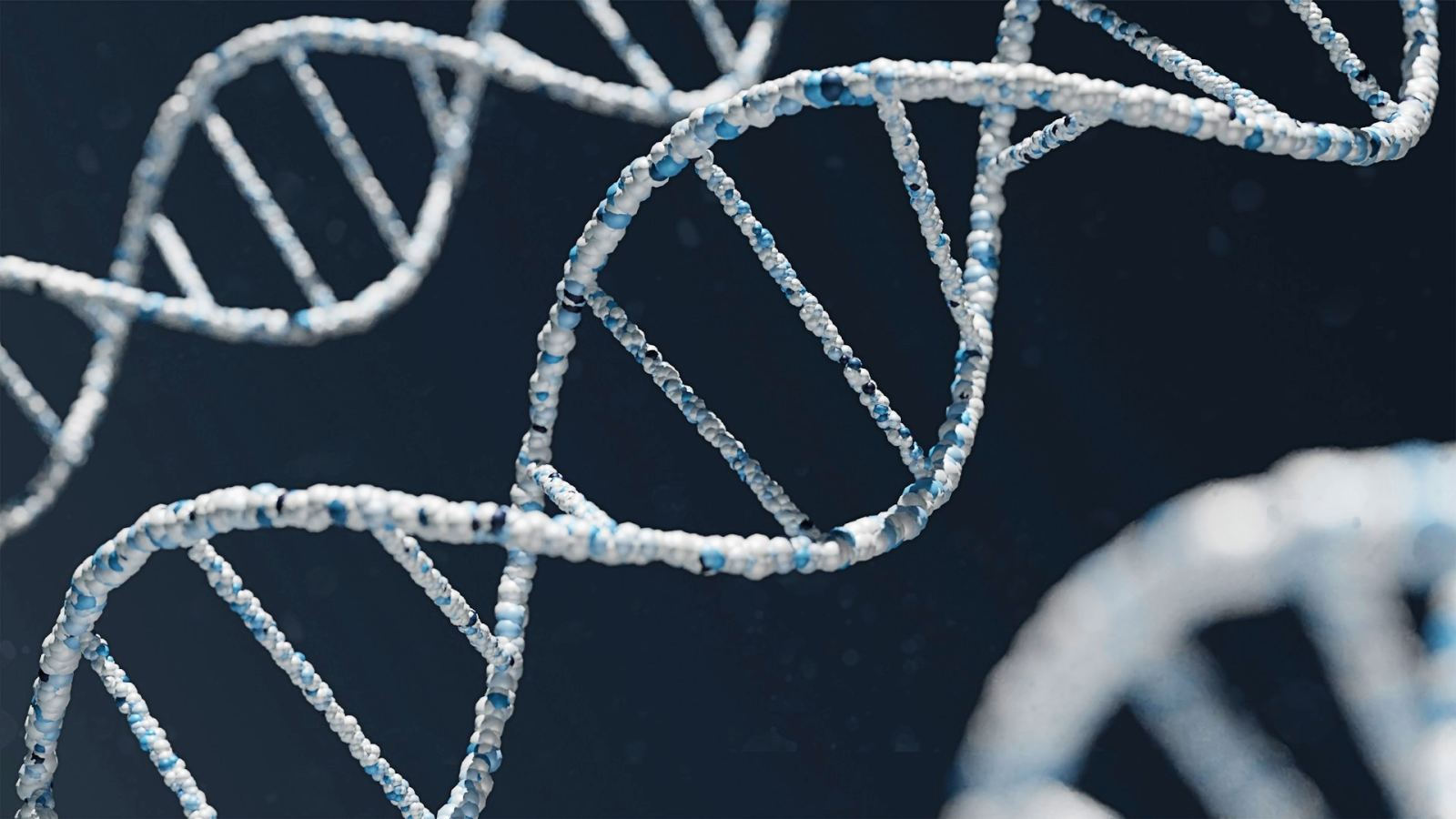
MEIS2 is a developmental transcription factor that helps cells choose their identities, shaping the brain, retina, heart, and craniofacial structures. Research is revealing how this conserved gene influences neurogenesis, human developmental disorders, and emerging areas of cancer biology.
Neuroplasticity lets the brain rewire at any age, but not without limits. See what the evidence on training, injury, and aging actually shows.
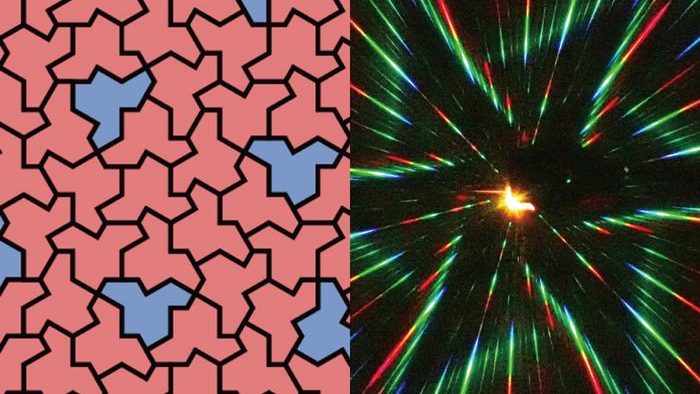
A 13-sided shape that a retired print technician cut out of card in 2022 settled a question mathematicians had been chewing on for 60 years.

GLP-1 drugs settled the argument that metabolic hormones work. This early-stage candidate, built by AI and delivered as DNA, sketches what round two might look like.