
A Worm Peptide Picks Which Smell Memory to Erase
Roundworms can wipe one odour memory while keeping another. A study traces the order to forget from a smell neuron to a relay neuron to the neuron holding the memory.

Research on how people think, feel, remember, and decide. Coverage draws on psychology, neuroscience, and behavioral science.
Roundworms can wipe one odour memory while keeping another. A study traces the order to forget from a smell neuron to a relay neuron to the neuron holding the memory.

Dialing down the claustrum, a thin sheet of neurons deep in the brain, cut mouse working memory by roughly 40 to 60 percent. Some memory survived, hinting that other regions share the work.

A single-author case study scores Jeronimus Cornelisz, left in charge of about 200 castaways in 1629, on a modern workplace checklist, then weighs his rule against a rival leader whose island group fared far better.

A University of Virginia archive of 1,678 reported cases found the gap between a death and a child’s birth ran shorter after sudden deaths, a small effect that survived five bias checks but cannot show what causes it.

Across three online experiments with 1,563 people, reading a careless repairman’s private thoughts rather than his spoken apology raised forgiveness only when he was clearly at fault, and the gains were small.

Three randomized online experiments with 1,222 participants found that people who lost a chatbot’s help solved fewer fraction and reading problems than people who never had it. Direct-answer users fared worst, though that comparison was not randomized.
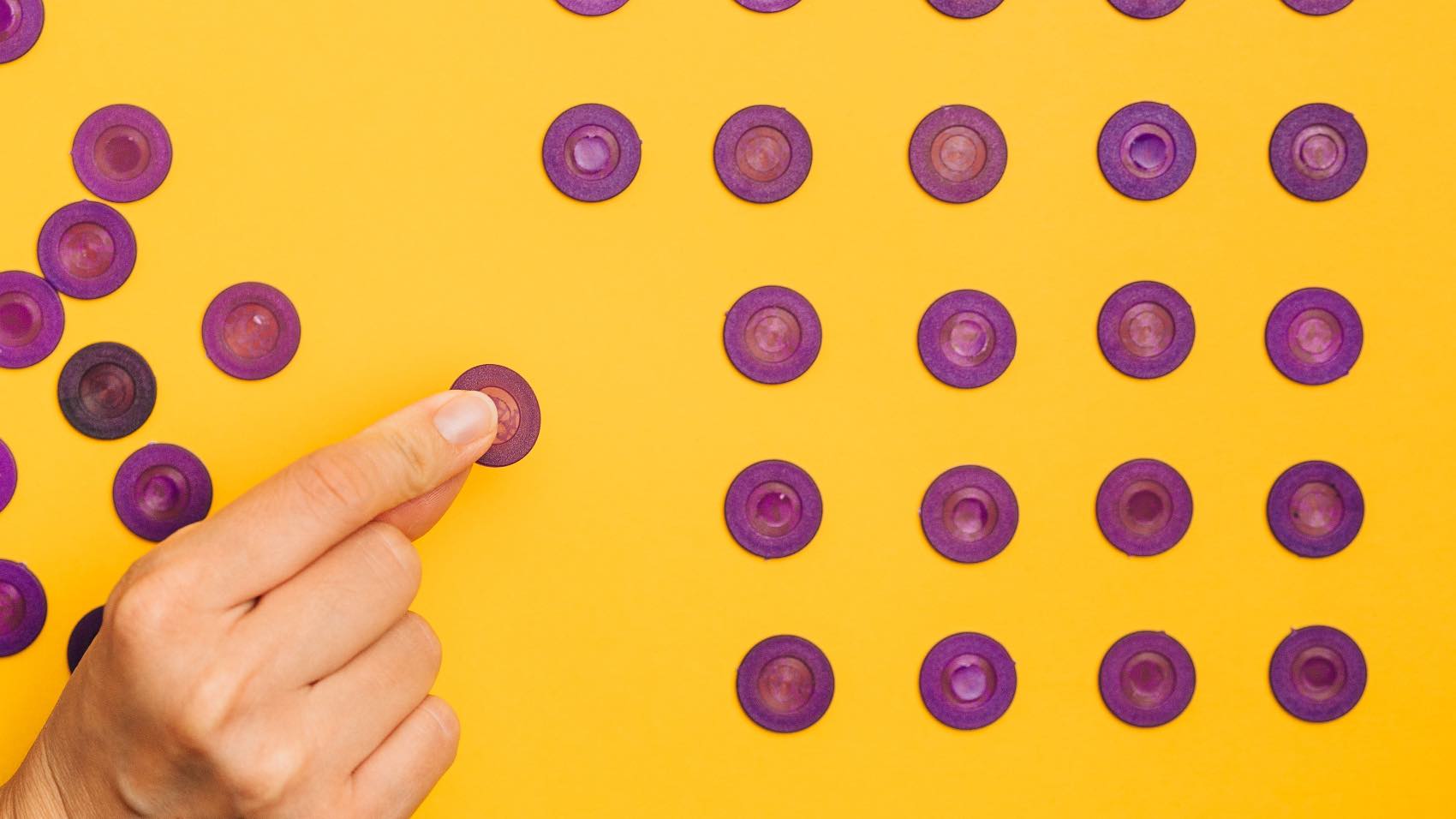
In one 16-year-old with highly superior autobiographical memory, unbidden memories of his past made up 87% of his stray thoughts in a dull lab task, against 39% in 36 comparison adults. One case cannot say why.

Mice given a synthetic cannabinoid froze more and avoided a predator odor analog, and blocking output from fear-region somatostatin neurons prevented the avoidance boost. Whether any of this explains human cannabis anxiety is untested.
Georgetown and University of Washington researchers found that AI video summaries omitted the crash itself in 95% of test cases, and one misleading detail was enough to warp what people remembered from an accident they had watched firsthand.
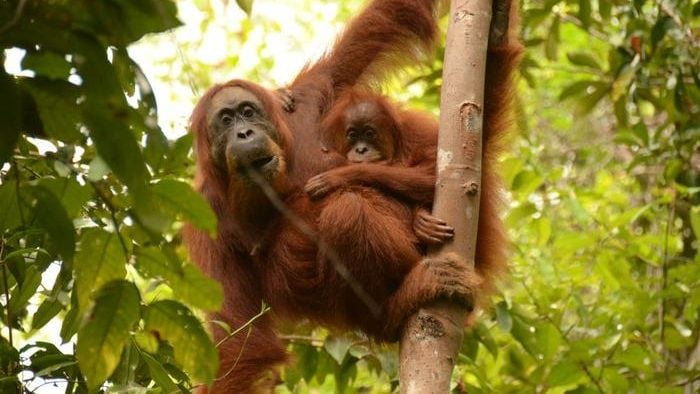
Dog brains favor consonants when tracking words in speech, as people’s do, and wild orangutan infants that watched and tried more ended up with broader diets. Two Science papers, one shared idea about learning.
A three-variable simulation of the primary visual cortex settled from chaotic activity into a steady rhythm once two feedback loops were added. The chaos never left the math, which hints that stable seeing is something the brain keeps working at.
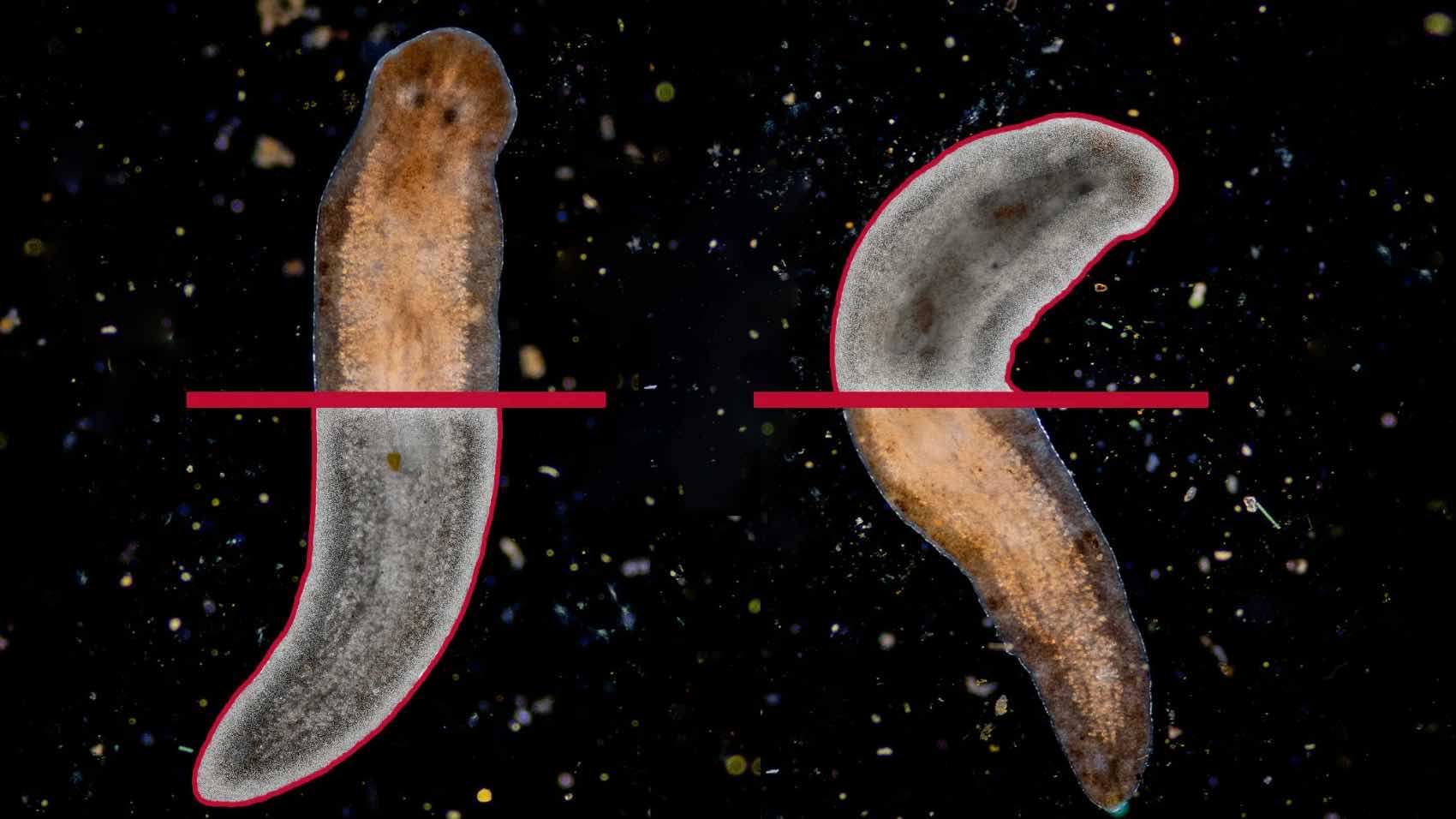
A screen of 74 genes in planarian flatworms found 10 needed to rebuild dopamine-producing neurons, work the authors say could improve stem cell therapies for brain injury or disease, though nothing has been tested beyond worms.