Chatbots Lean Toward the Status Quo
Six chatbots backed an existing policy about 70% of the time but the same trade-off framed as new only about 34%, while recipe and home heating advice showed no clear bias.

The latest research stories from ScholarPeer. Search the archive, or use our reader chat to dig deeper and find what's useful to you.
Six chatbots backed an existing policy about 70% of the time but the same trade-off framed as new only about 34%, while recipe and home heating advice showed no clear bias.

Single-cell sequencing of biopsies from eight people with lupus and seven healthy volunteers pointed to skin cells and a recruited immune cell type that may help explain why ultraviolet light sets off rashes and flares.

Senescent fibroblasts from aged mice failed to ramp up protein recycling, and their secretions dulled the macrophages that clear them. In mice, a drug restarting the pathway curbed senescence and, started early, lung scarring.

Mice given a synthetic cannabinoid froze more and avoided a predator odor analog, and blocking output from fear-region somatostatin neurons prevented the avoidance boost. Whether any of this explains human cannabis anxiety is untested.
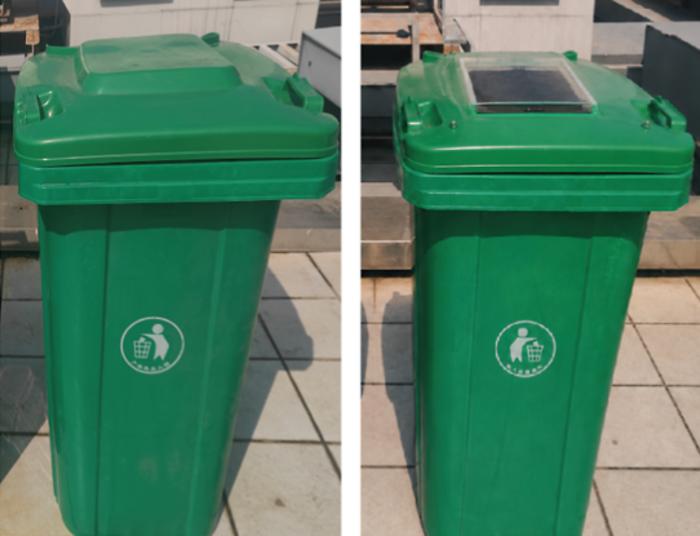
A lithium-doped manganese dioxide insert kept acetic acid readings lower in a bin of rotting food for more than 40 days. Fully converting that acid to carbon dioxide took lab light nearly three times as strong as full sun.

Publication records from roughly 35,000 researchers trace Ukraine’s scholarly map year by year, and the trail shows Donetsk, Luhansk and Crimea shedding scholars from 2014 onward, with wealthier regions the easiest to leave.
Chatbot answers now draw on a wider range of claims than three years ago, a new analysis of 27 systems finds, yet even the most diverse one still trails a simple web search by nearly 19 percent.

Mechanically squeezing an animal’s shinbone released proteins into the bloodstream that calmed neuroinflammation, cut neuron loss and nearly quadrupled survival after severe head trauma in mice.
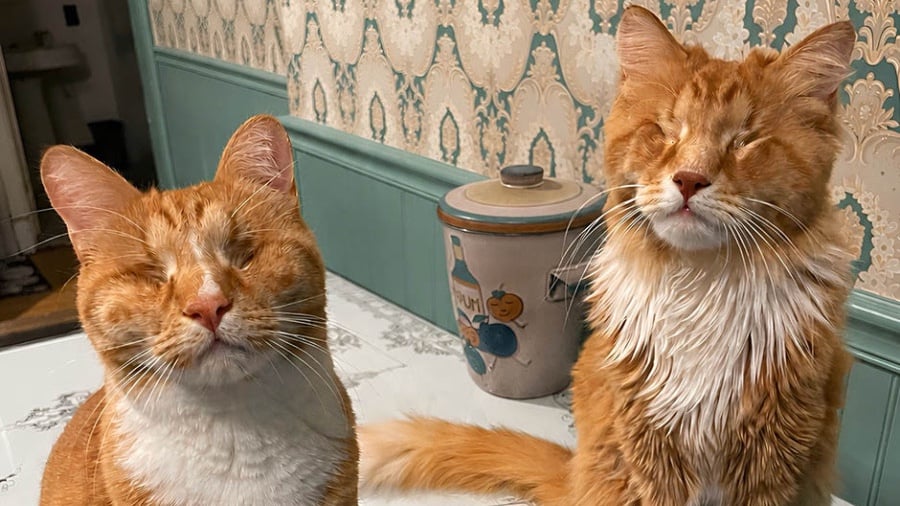
Marfan syndrome, the disease linked to lens dislocation and aortic rupture in humans, has now turned up in two house cat littermates carrying the first molecularly confirmed feline case.
Georgetown and University of Washington researchers found that AI video summaries omitted the crash itself in 95% of test cases, and one misleading detail was enough to warp what people remembered from an accident they had watched firsthand.
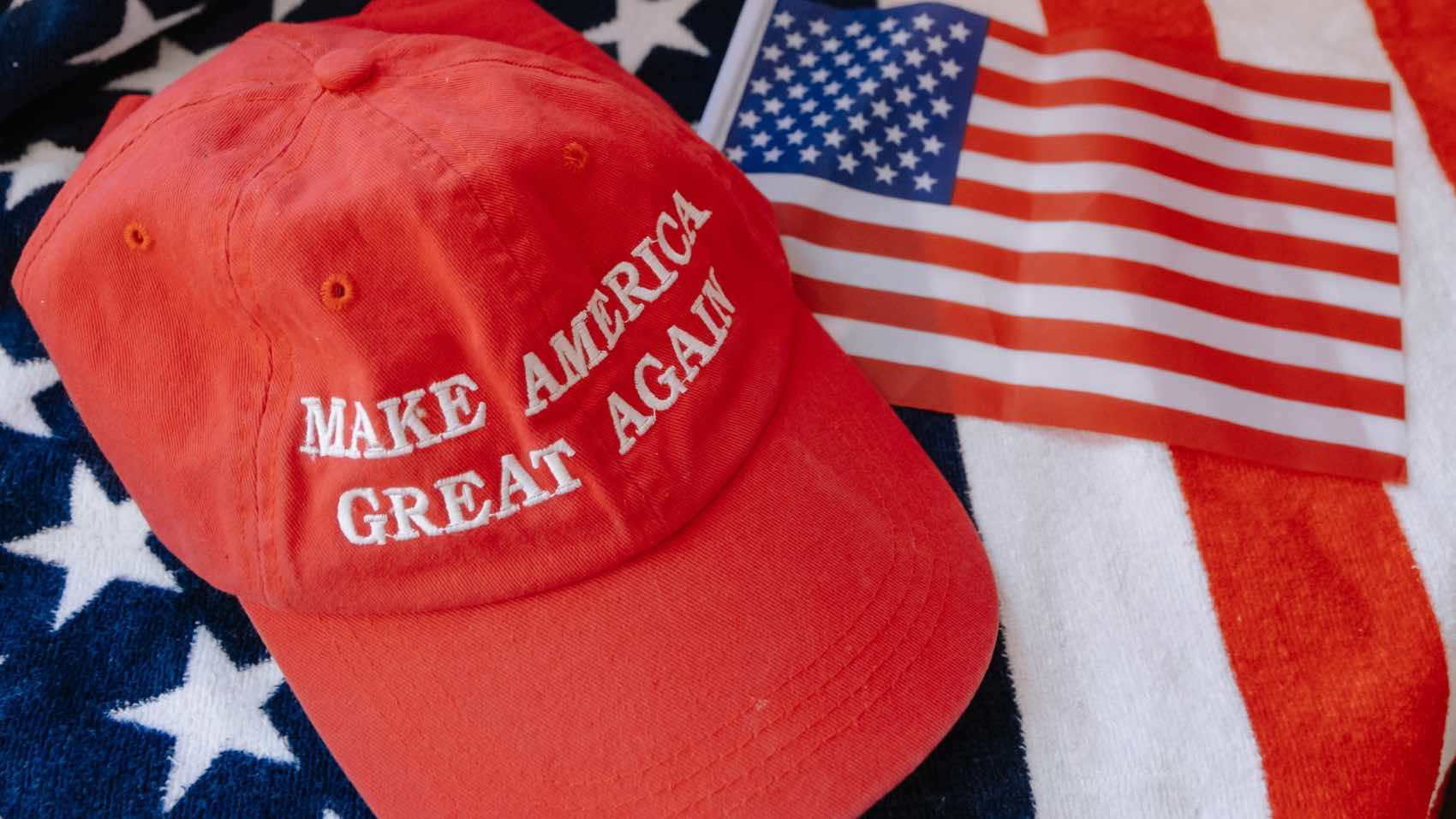
A peer-reviewed analysis of nearly 700,000 federal contracts finds cancellations under Trump’s cost-cutting initiative fell hardest on counties that gave him the weakest support in 2024, even after accounting for population, income and prior federal spending.
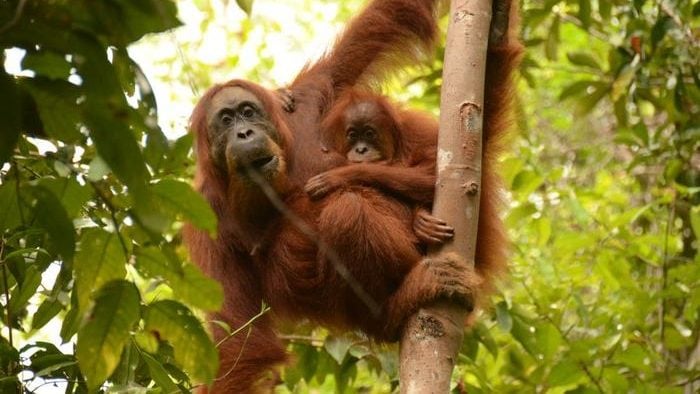
Dog brains favor consonants when tracking words in speech, as people’s do, and wild orangutan infants that watched and tried more ended up with broader diets. Two Science papers, one shared idea about learning.