
Skip to content
  • About ScholarPeer
  • Editorial Policy & Corrections
  • Follow Us
    • On Bluesky
    • On Instagram
    • On Threads
    • On X/Twitter
  • Contact
ScholarPeer
ScholarPeer
  • Subjects
    • Culture
    • Economy
    • Environment
    • Health
    • Mind
    • Politics
    • Science
    • Society
  • Current Issue
  • Subscribe

Science Translational Medicine

The goal of Science Translational Medicine is to promote human health by providing a forum for communicating the latest research advances from biomedical, translational, and clinical researchers from all established and emerging disciplines relevant to medicine. In addition to original research, Science Translational Medicine also publishes Reviews, Editorials, Focus articles, and Viewpoints.
Visit Science Translational Medicine

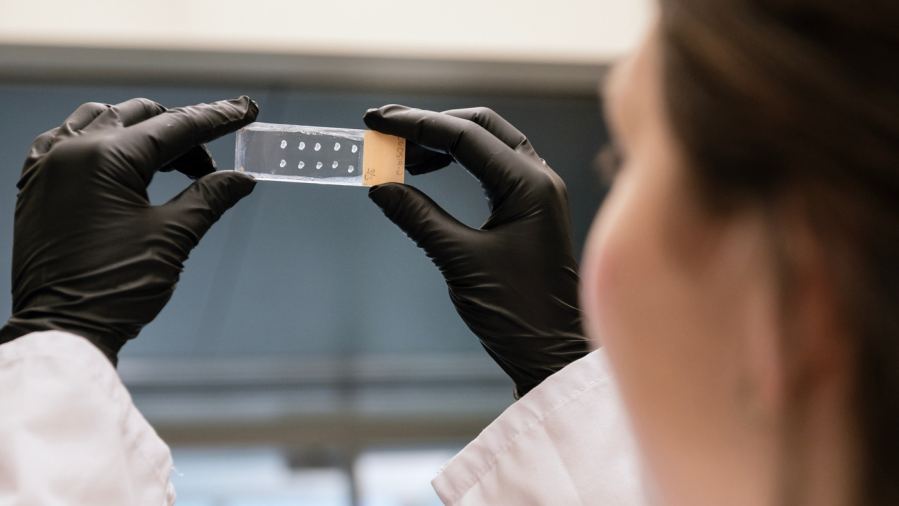
In a new study published in Science Translational Medicine, Gladstone scientists show that stem cell-derived spinal neurons can integrate into damaged neural networks in rats and improve breathing-related motor function after a traumatic spinal cord injury.

Human Neurons Wire Into Rat Spinal Cords and Bolster Breathing

Engineered spinal interneurons grown from human stem cells survived inside injured rats, took input from the brainstem and passed signals on to the diaphragm, though every animal needed daily immunosuppression and the gain showed only under respiratory stress.

Categories Health
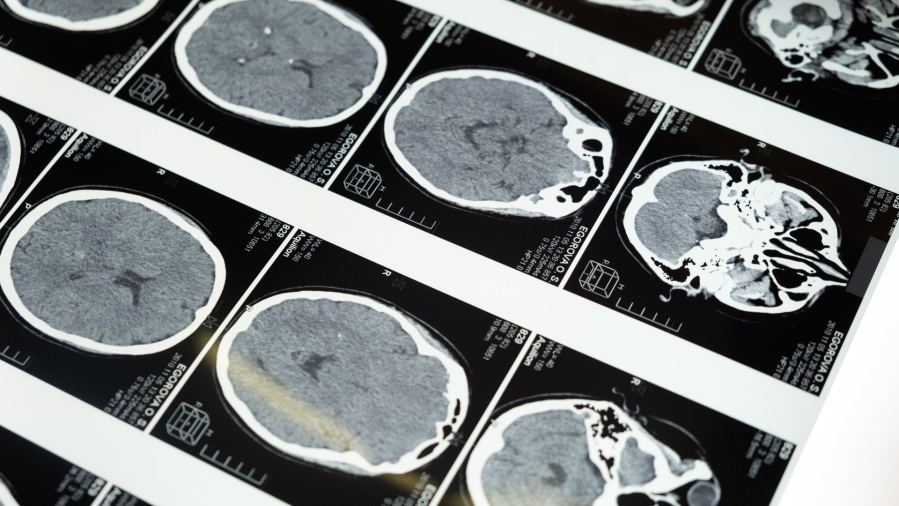
Detailed brain MRI scans displayed on a lightbox, showcasing medical imaging techniques.

Brain Surgery Opens a Short Window for Cancer Drugs in Mice

Removing a glioblastoma from a mouse brain leaves the blood-brain barrier leaky at the surgical rim for two brief spells. A single dose of an approved liposomal chemotherapy, timed into one of them, stopped the tumor coming back.

Categories Health
Eating Less Protein Might Help You Age Better Eating Less Protein Might Help You Age Better
The Half-Trillion-Dollar Cost of Turning Away Foreign Students The Half-Trillion-Dollar Cost of Turning Away Foreign Students
Dunning-Kruger May Run Backwards Dunning-Kruger May Run Backwards
A Single Rapamycin Dose Normalized Autism-Like Behavior In Mice Within Two Hours. Daily Dosing Stopped Working A Single Rapamycin Dose Normalized Autism-Like Behavior In Mice Within Two Hours. Daily Dosing Stopped Working
Why Unexpected Free Time Tricks You Into Running Late Why Unexpected Free Time Tricks You Into Running Late
Substack sign up form image
© 2026 ScholarPeer