
What the Study Found
- Students drank about 9.4 standard drinks on days they used a BORG (a jug of liquor and mixers), versus 6.3 on other binge nights.
- Nearly a third (29%) of BORG users said they blacked out, and 59% said or did something embarrassing while drinking one.
- Despite blackouts and vomiting, 68% of BORG users planned to drink another one within the next year.
- Making the drink was fun for 33% of BORG users and getting buzzed was the goal for 30%; almost none cited limiting alcohol.
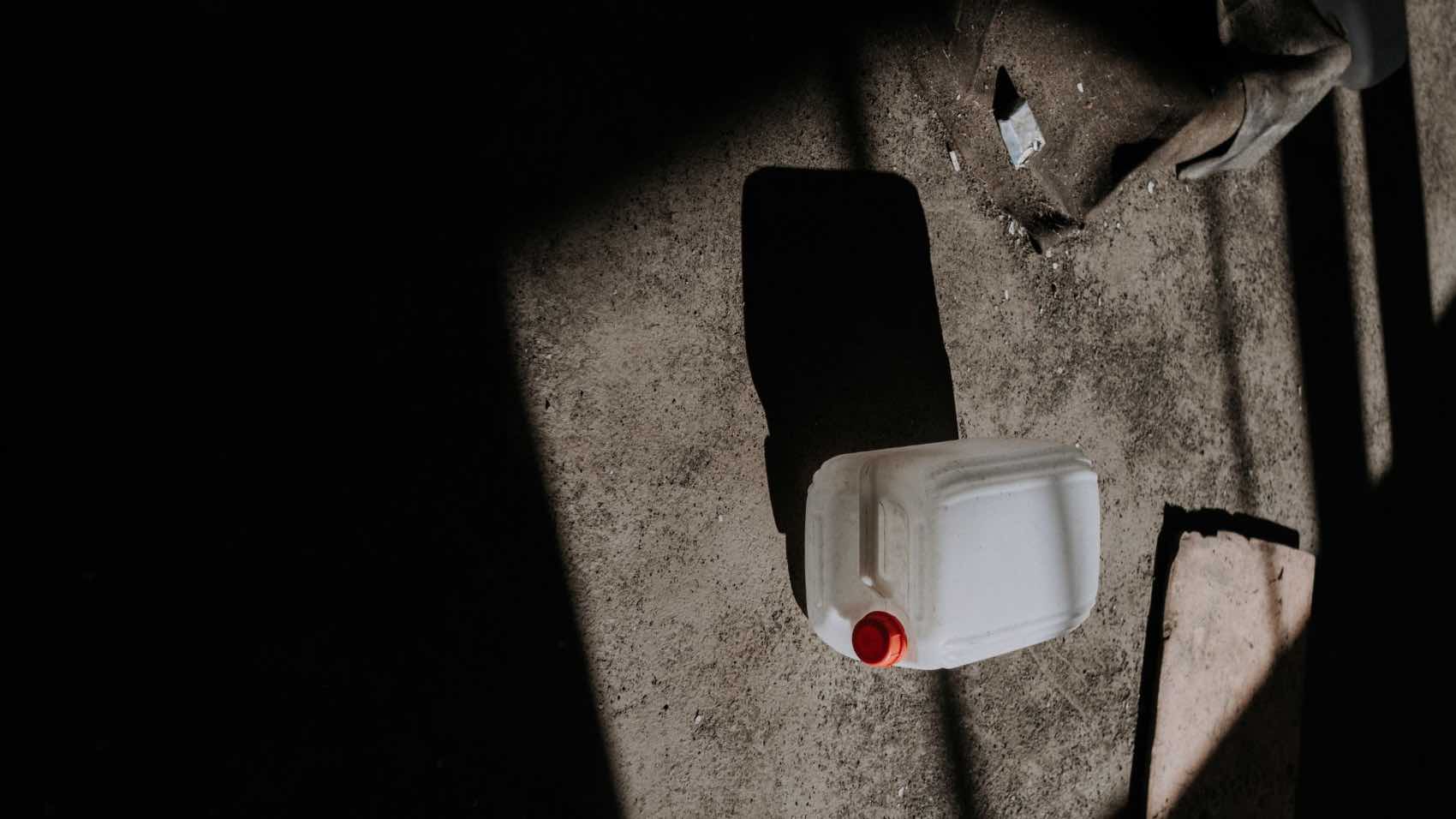
A gallon jug of vodka, fruit juice and energy drink gets a name scrawled across the label in marker, a pun about a horse or a plea for sobriety, before it heads to a tailgate or a dorm room pregame. On the day college students actually drink from one of these jugs, the blackout rage gallon (BORG), they consume an average of 9.4 standard drinks, compared with 6.3 on an ordinary night of binge drinking, according to a new survey of students at U.S. colleges. The gap is not small: it is close to a jump from an average night out to what researchers call high-intensity drinking, the tier above ordinary bingeing. And according to the students in the study, they know it, and mostly plan to do it again anyway.
Binge drinking itself is common on U.S. campuses and carries well-documented risks, from alcohol poisoning to long-term liver disease. What is newer is the object at the center of it: a decorated gallon jug that turns a solo pour into a shared, festival-sized ritual. Until now, the only published research on it came from a broader crowdsourced poll, which never asked people directly about a specific BORG-drinking day.
A typical BORG, the researchers found, holds about 10 standard drinks’ worth of alcohol, mixed from vodka in the vast majority of cases, plus juice, electrolyte powder or energy drink, and water to round out the gallon. 95% of homemade BORGs use vodka as their base, the study’s survey found, with sweet mixers folded in to cut the burn. Sharing is part of the ritual: 96% of BORG users said they had passed their own jug around, and 95% had swigged from someone else’s, blurring any illusion of a personally controlled pour. That collective handling undercuts one of the trend’s original selling points on social media, the idea that a homemade BORG is a cleaner, safer way to drink.

The Harm-Reduction Myth
Proponents once pitched the format as harm reduction: mix your own, control your own dose, add electrolytes, skip the hangover. None of that held up under closer questioning: 0% of BORG users cited limiting their drinking, and 0% cited avoiding a hangover, as their main reason for making one.
The reasons students actually gave were almost the opposite of therapeutic: preparing the drink was fun for 33%, wanting to get buzzed or drunk was the goal for 30%, and fitting into their college’s drinking culture accounted for another 25%. Interestingly, students were more forgiving of themselves than of everyone else: asked why other people use a BORG, the same students pointed first to wanting to get drunk, at 46%, well above the 30% who admitted that was their own top reason. The upshot is a coin the students appear to flip without noticing: everyone assumes the other person at the tailgate is the one chasing a blackout.
“Excessive drinking in young adults has been fueled by drinking games for many decades,” says Andrea King, a professor of psychiatry and behavioral neuroscience at the University of Chicago who led the study. “But the mixing of hard liquor and additive flavorings in BORGs may be particularly harmful given the sweetness of the beverage and the lure of sharing one’s BORG and tasting others’ concoctions,” she adds.
Behind the Survey Numbers
The researchers surveyed 103 college students, ages 18 to 25, in a cross-sectional online study built specifically to compare regular binge drinkers who use BORGs with those who do not: 63 in the BORG-using group and 40 who denied ever making one. Everyone in the sample already reported drinking heavily most weeks, with an average score of 11.3 on the Alcohol Use Disorders Identification Test (AUDIT), comfortably inside the range clinicians label hazardous drinking. That comparison group was recruited deliberately, not by chance: investigators oversampled past-year BORG users specifically so the study could examine what happens on a BORG day, which means the percentages here describe this recruited group rather than a general rate across all college drinkers. It also means the study’s own figures run lower than the number often repeated online, that a full BORG built from an entire fifth of liquor holds about 17 standard drinks; the students here reported closer to 10 in an average jug, of which they personally drank an average of 7.1. The whole picture rests on self-report from a modest, self-selected sample, the authors note, collected online without a researcher in the room to check anyone’s math or catch a hazy memory.
None of this proves a BORG itself causes a blackout rather than simply making it easier to drink a blackout’s worth of alcohol in one sitting; the study is a single snapshot, not a before-and-after experiment. The researchers could not compare a single student’s BORG night with that same student’s ordinary night, so how much of the extra drinking is the jug and how much is simply the occasion remains an open question.
Skipping the Gallon
Not every student who was offered a BORG picked one up: the 40 who said no most often gave the same answer, 33%, that a BORG jug just was not part of their college’s drinking culture. Another 25% cited doubts that a BORG actually limits how much alcohol someone drinks, itself a nod to the mixed messaging the trend has always carried.
None of this makes the jug harmless entertainment, and none of it makes it a moral failing either; it is, more usefully, a fairly precise picture of a specific behavior researchers had previously only guessed at from social media. For a campus health office, the finding that lands with the most force may be the intent question: two thirds of the students who had already blacked out, vomited, or embarrassed themselves said they would do it again within a year. That gap between consequence and intention is the same one that keeps drinking games alive on campuses generation after generation, and it suggests warning labels alone are unlikely to move the needle. The authors frame the open question plainly: not whether a BORG can be dangerous, since the numbers already answer that, but what happens next as the format keeps spreading beyond the fraternities and sororities where the study found it took root first.
The researchers themselves call for the next study to follow the same students across a BORG night and an ordinary one, rather than comparing two different groups after the fact. Until then, the gallon jug sitting on someone’s dorm windowsill, marker message and all, is less a harmless prop than a fairly accurate preview of how the night is going to go.
Reference
King, A. C., Noone, S. M., Atkinson, E., Wellendorf, C. E., & Fridberg, D. J. (2026). Living Up to Their Name: Blackout Rage Gallons (BORGs) Marked by High-Intensity Drinking and Alcohol Consequences in College Students. Journal of Studies on Alcohol and Drugs, 87(5), 930–938. https://doi.org/10.15288/jsad.25-00414
- Study type: Cross-sectional online survey, peer-reviewed (Journal of Studies on Alcohol and Drugs).
- Sample size: 103 college students (63 who used a BORG in the past year, 40 who had not).
- Instrument: 20-minute online survey via REDCap, including the AUDIT, the Brief Young Adult Alcohol Consequences Questionnaire, the Hangover Symptom Scale, and study-specific BORG items.
- Sampling frame: Convenience sample of U.S. college students recruited through social media ads, word of mouth, and campus organizations; deliberately oversampled for past-year BORG use, so figures describe this recruited group rather than a random sample of all college drinkers.
- Duration: Recruitment ran July to October 2024; each participant completed a single 20-minute survey.
- Funding / conflicts of interest: Funded by two National Institute on Alcohol Abuse and Alcoholism grants; no conflicts of interest declared in the paper.
- Data availability: Not reported.
- Main limitation: Modest, self-selected sample relying on online self-report with no in-person contact, and no within-person comparison of a participant’s own BORG versus non-BORG drinking days, author-stated.
FAQ
Why do students drink so much more on a BORG day than on a normal night out?
Students drink more on a BORG day mainly because of scale and habit: a homemade gallon jug is built to hold about 10 standard drinks, participants said they personally consumed about 7.1 of it, then added a few more drinks on top before or after, which together push the day’s total well past an ordinary binge night.
Is it true that a BORG helps people drink more responsibly?
It is not true, at least according to this study: none of the regular BORG users said limiting their alcohol intake or avoiding a hangover was their main reason for making one, and nearly all of them reported sharing their jug with other people, which undercuts the personal dose control idea BORGs were originally sold on.
Could this trend be showing up on campuses beyond the ones in this study?
It could, though this particular study cannot say how far: the sample was deliberately built to include a lot of past-year BORG users rather than a random slice of all college drinkers, so it is well suited to describing what happens on a BORG day but not to estimating how common BORGs are nationally.
What is stopping some students from ever trying a BORG?
The most common reason students gave for skipping BORGs entirely was cultural rather than medical: 33% said the drink just was not part of their college’s social scene, ahead of doubts about whether it actually limits drinking and a wish to avoid a hangover.


Cite This Page