
A Weakening Atlantic Current Could Let the Planet Hold More Heat
A study of abrupt Ice Age climate shifts suggests the Atlantic Meridional Overturning Circulation regulates not just where heat goes, but how much of it the whole planet retains.

The latest research stories from ScholarPeer. Search the archive, or use our reader chat to dig deeper and find what's useful to you.
A study of abrupt Ice Age climate shifts suggests the Atlantic Meridional Overturning Circulation regulates not just where heat goes, but how much of it the whole planet retains.
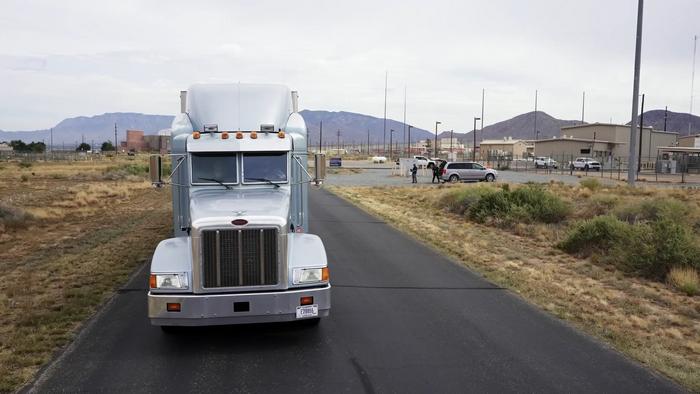
A rocket-propelled semitrailer carrying mock nuclear-weapon cargo has smashed into a barrier in New Mexico, completing Sandia National Laboratories’ full-scale crash-test series for a new secure transporter. The decisive evidence is now in the data, which have not been publicly released.
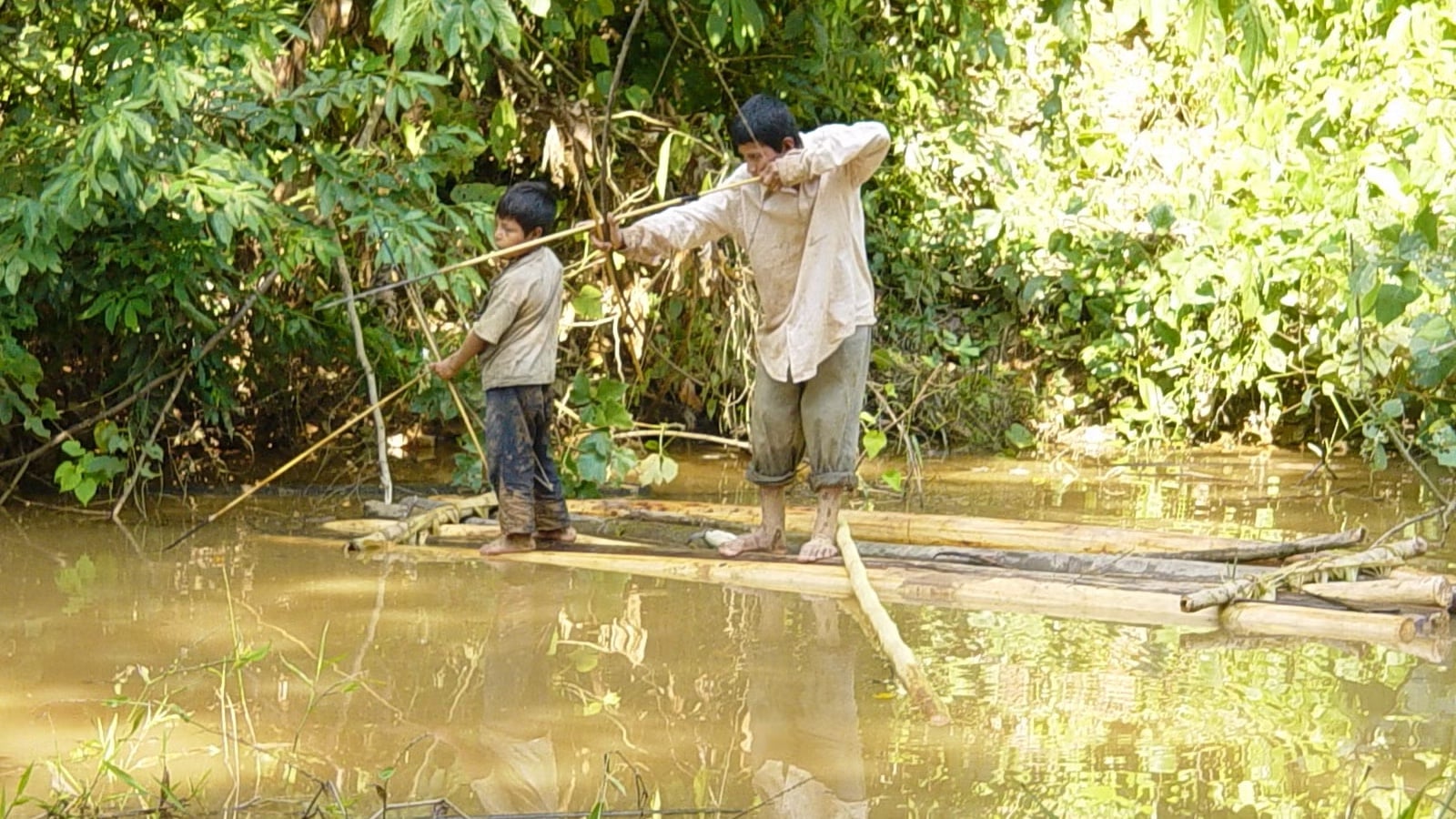
A SARS-CoV-2 outbreak swept through two Indigenous populations in Bolivia’s lowlands. Most adults were infected and many became ill, yet deaths were extraordinarily rare. A new study suggests the explanation may lie in a combination of youthful population structure, low metabolic disease and unusually regulated immune responses, not a single protective trait.

A study of 10 blockbuster album releases finds that US traffic fatalities rose on release days, alongside a sharp increase in music streaming. The pattern is concerning, but it cannot show that streaming, or a smartphone, directly caused any individual crash.

A Norwegian study of 747 children found that greater primary-parent smartphone use was associated with slower growth in receptive vocabulary from ages 5 to 7. Most other measures of child and parent screen use were not consistently linked to language growth.

Adults who pictured a socially connected old age went on to see more of family and friends a decade later, a Vienna-led study of 459 people found, with the expectation preceding the behaviour rather than following it.
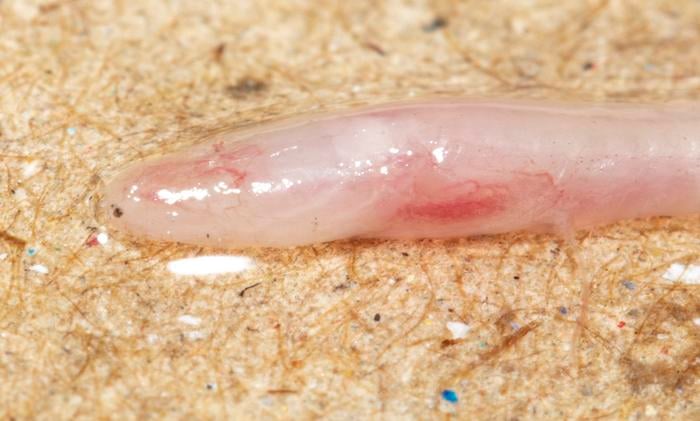
A pale, eyeless earthworm eel pumped from farmland borewells in Bihar is the first fish ever recorded from the aquifer beneath the Indo-Gangetic Plain, and a genus wholly new to science.
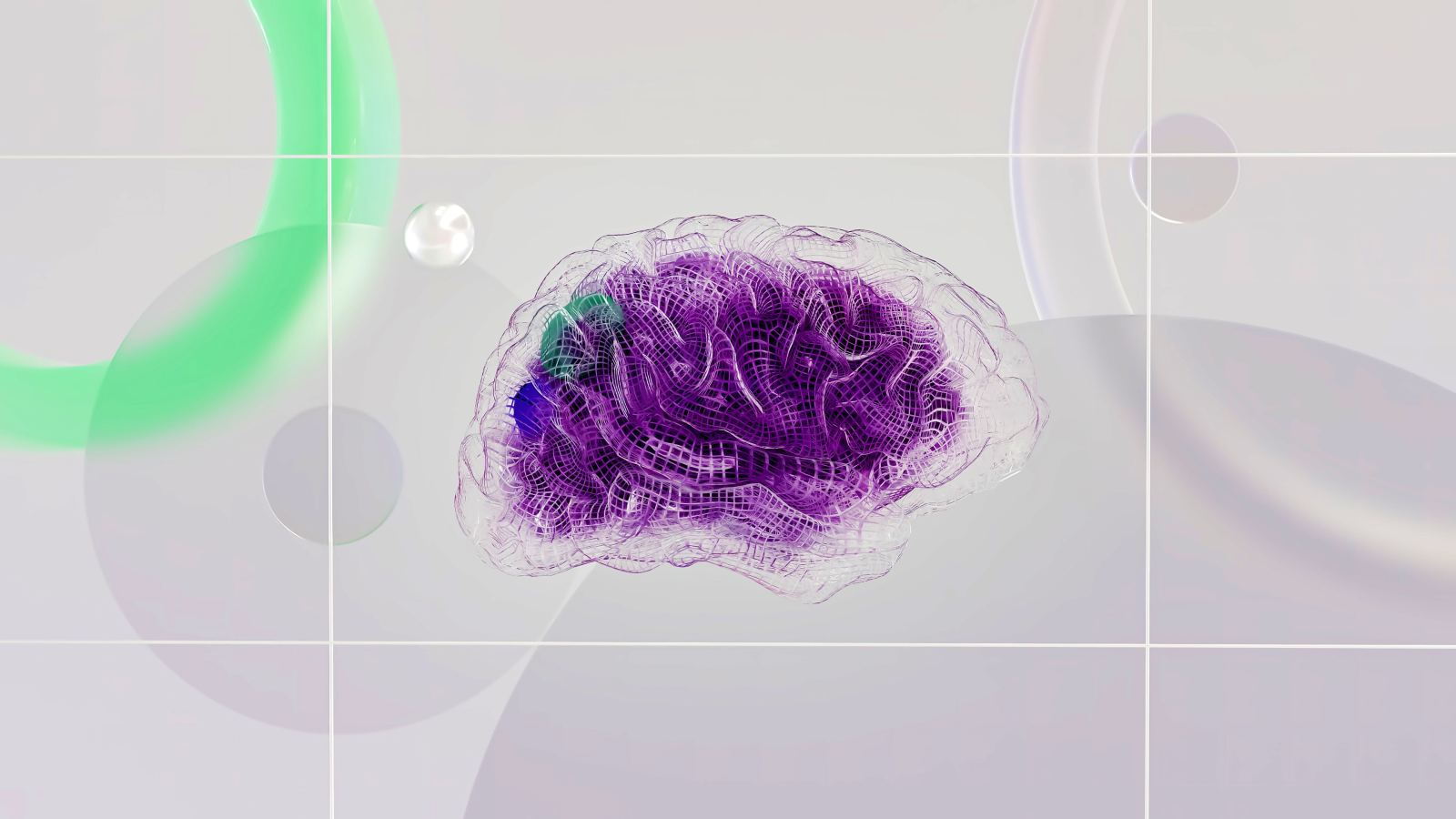
TIMP2 helps control the material surrounding cells, but its role goes far beyond acting as a simple molecular brake. Research in mice links this youth-associated protein to memory, brain plasticity, immune-cell function, and aging, while clinical tests already use it to help assess kidney injury risk.
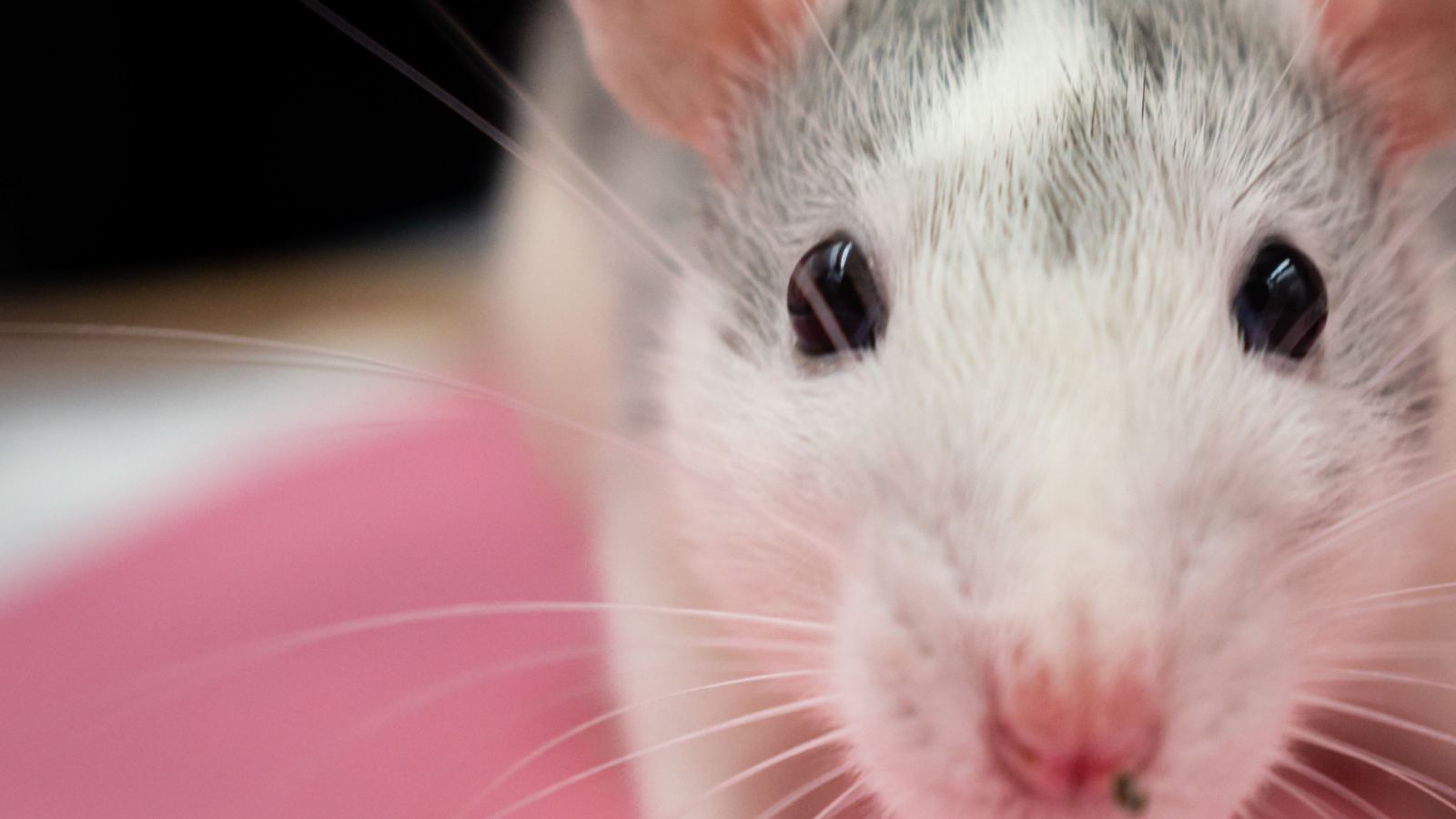
Microglia, the brain’s cleanup cells, grow sluggish and inflamed with age in mice. A youth blood protein called TIMP2 keeps them working, and restoring it in old animals revived their debris clearance.

Across 20,118 adults in all 50 states, childfree prevalence ran from 22% in California to 9.4% in Louisiana, yet no region emerged: the map is scattered, and state policy levers look unlikely to shift it.

Exerkines are exercise-linked molecules that help tissues communicate. Learn what they are, where they come from, what the evidence shows, and why an exercise pill remains distant.
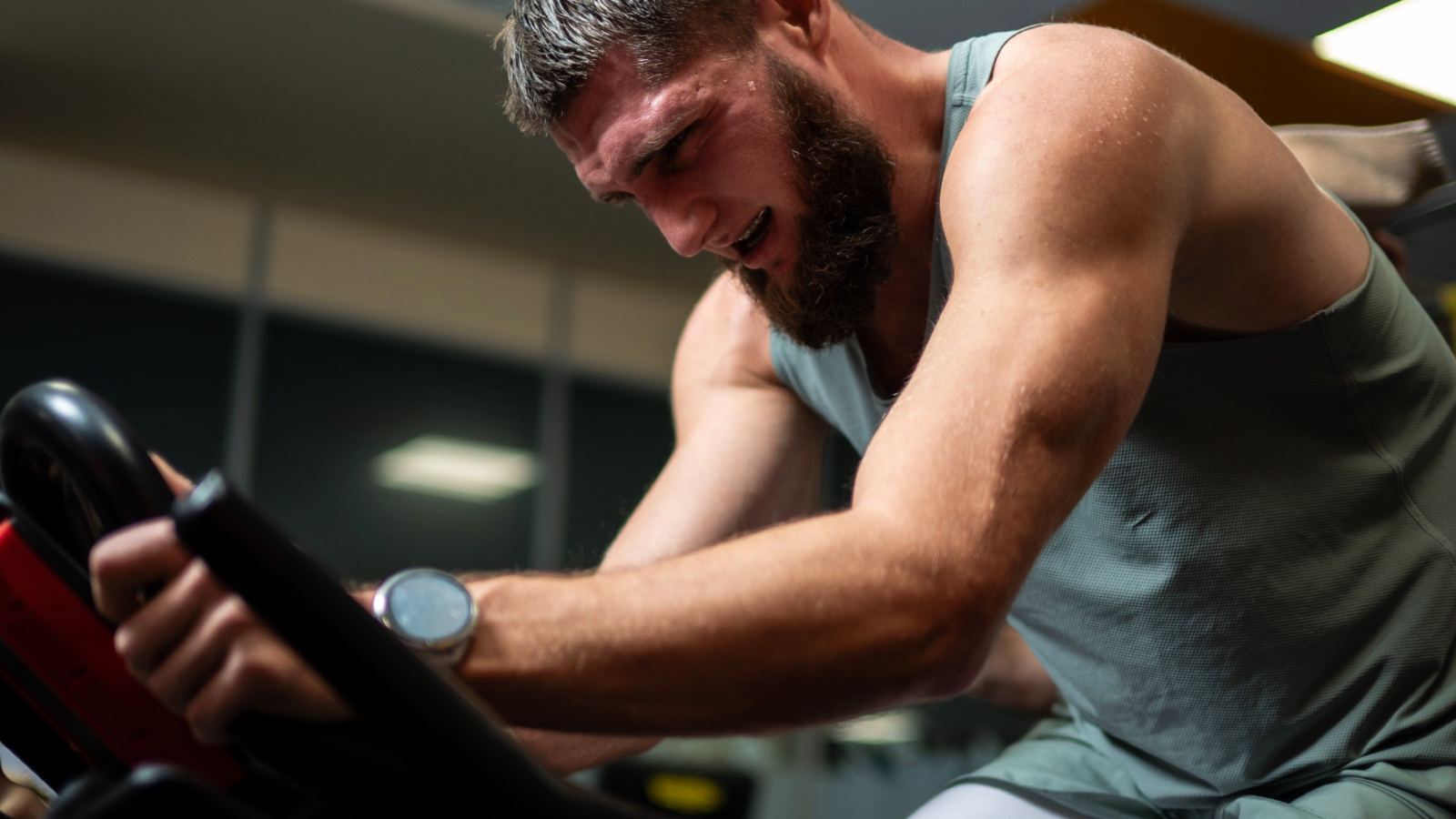
A Cell Reports Medicine study found six all-out cycling sprints rapidly changed 714 plasma proteins. Here is what it found—and why it does not prove sprinting is healthier than moderate exercise.