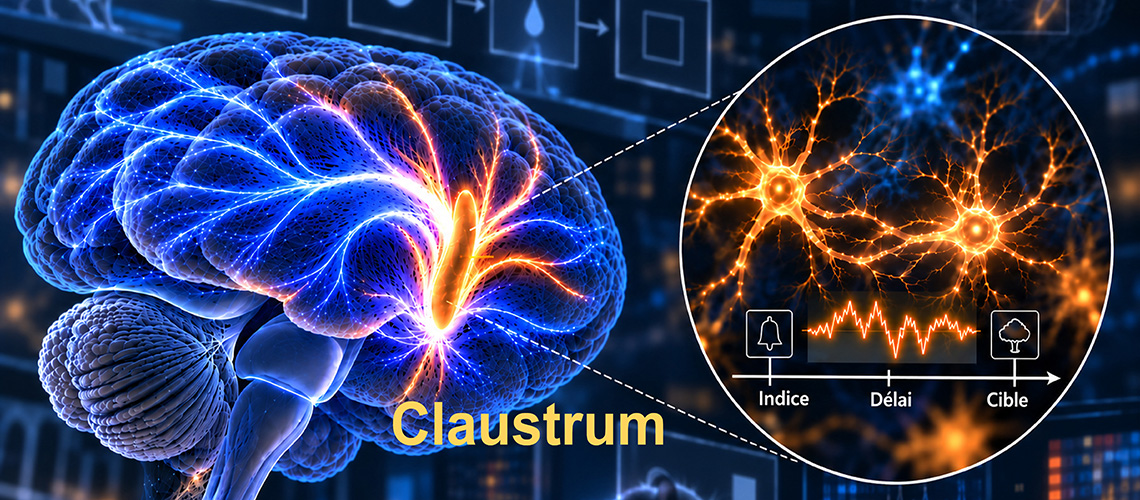
A Small, Deep Brain Structure Helps Mice Hold a Thought
Dialing down the claustrum, a thin sheet of neurons deep in the brain, cut mouse working memory by roughly 40 to 60 percent. Some memory survived, hinting that other regions share the work.

Nature Communications is a peer-reviewed, open access, multidisciplinary journal dedicated to publishing high-quality research in all areas of the biological, health, physical, chemical, Earth, social, mathematical, applied, and engineering sciences. Papers published by the journal aim to represent important advances of significance to specialists within each field.
Dialing down the claustrum, a thin sheet of neurons deep in the brain, cut mouse working memory by roughly 40 to 60 percent. Some memory survived, hinting that other regions share the work.

Mice given a synthetic cannabinoid froze more and avoided a predator odor analog, and blocking output from fear-region somatostatin neurons prevented the avoidance boost. Whether any of this explains human cannabis anxiety is untested.
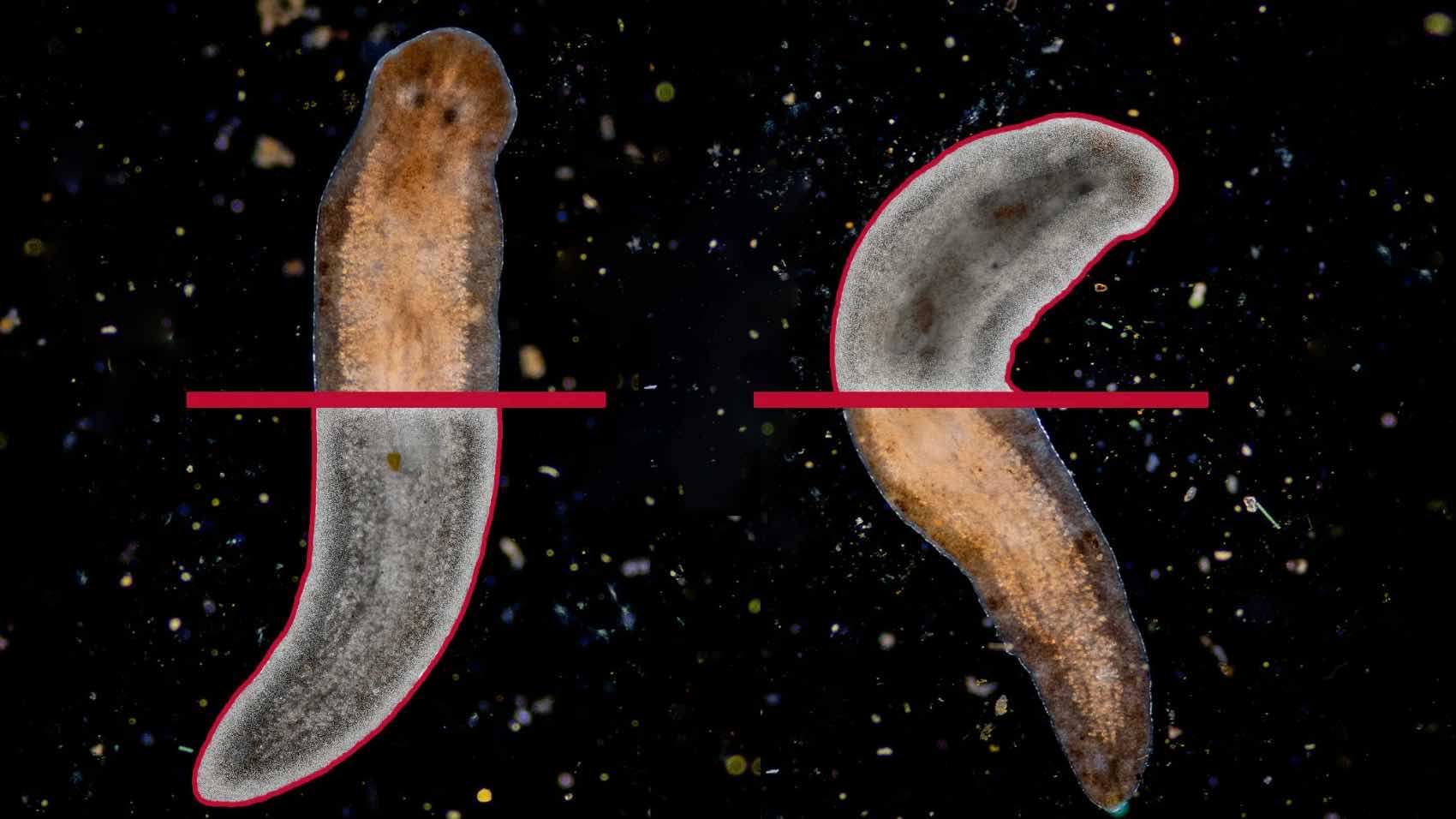
A screen of 74 genes in planarian flatworms found 10 needed to rebuild dopamine-producing neurons, work the authors say could improve stem cell therapies for brain injury or disease, though nothing has been tested beyond worms.
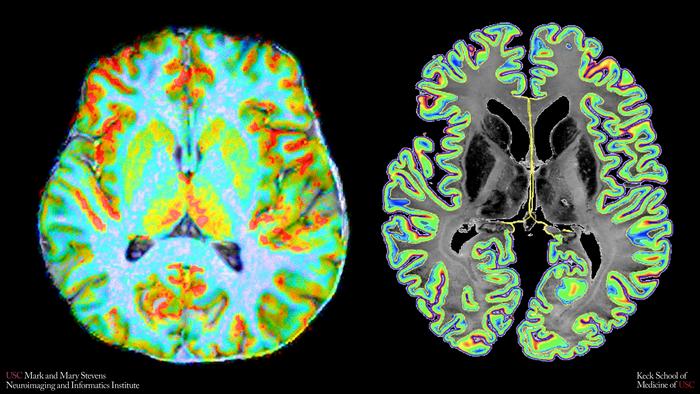
Stevens Neuroimaging Institute researchers built a brain scan measure that lines up blood flow with cell density layer by layer, revealing regions whose mitochondria run at higher capacity, a clue that could eventually help flag disease.
A urine-derived bacterium converted DHEA (dehydroepiandrosterone) into testosterone in culture, and structural modeling showed how one unusually flexible enzyme could carry out multiple steps in the pathway.

A global review of political polarization research finds that most studies, and nearly all the field’s rigorous experiments, focus on the United States, while replications run elsewhere have sometimes found the opposite effect entirely.
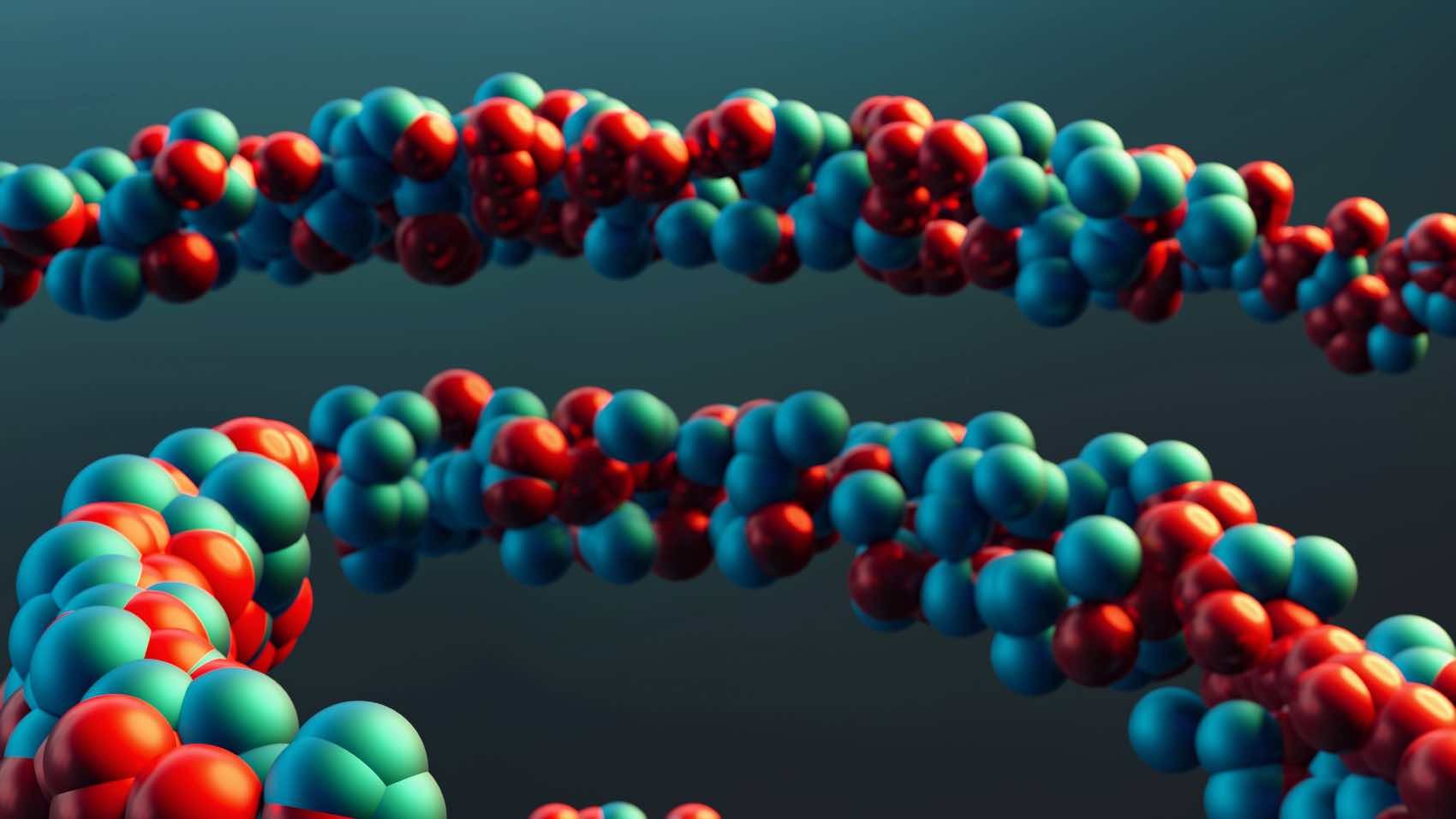
Two new lab tools push protein engineering in opposite directions at once: one builds proteins nature never made from an expanded genetic alphabet, the other calculates precisely how to destroy a disease protein already causing harm.

Obese mice ship fat-derived vesicles across the placenta that reprogram fetal liver DNA, switching on glucose production weeks early and setting up glucose intolerance in male offspring by adulthood.
Microglia, the brain’s cleanup cells, grow sluggish and inflamed with age in mice. A youth blood protein called TIMP2 keeps them working, and restoring it in old animals revived their debris clearance.
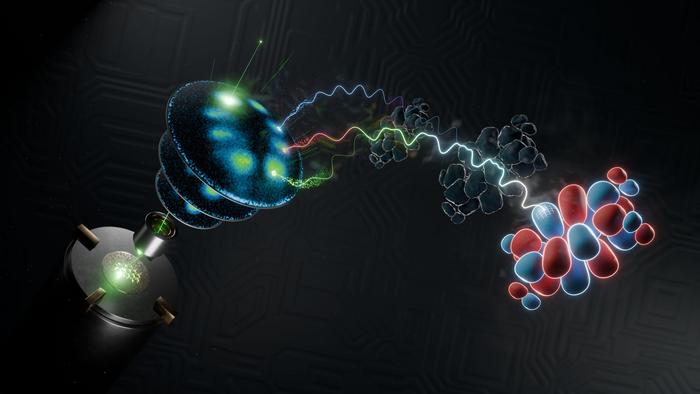
A Göttingen physics team reconstructed the full 3D wavefunction of an organic semiconductor molecule using a lab-bench extreme ultraviolet source, imaging orbitals that once demanded a synchrotron and hinting at future femtosecond movies.

An AI model trained on more than 10,000 overnight recordings sorted sleep-study patients into five risk tiers, spotting a doubled five-year mortality gap that the standard apnea severity score missed entirely, in both men and women.

A binary-solvent electrolyte that donates hydrogen bonds only weakly let researchers turn carbon dioxide in simulated flue gas into carbon monoxide at near-total efficiency, even at 1% CO2 with oxygen present, and run the process for over 100 hours.