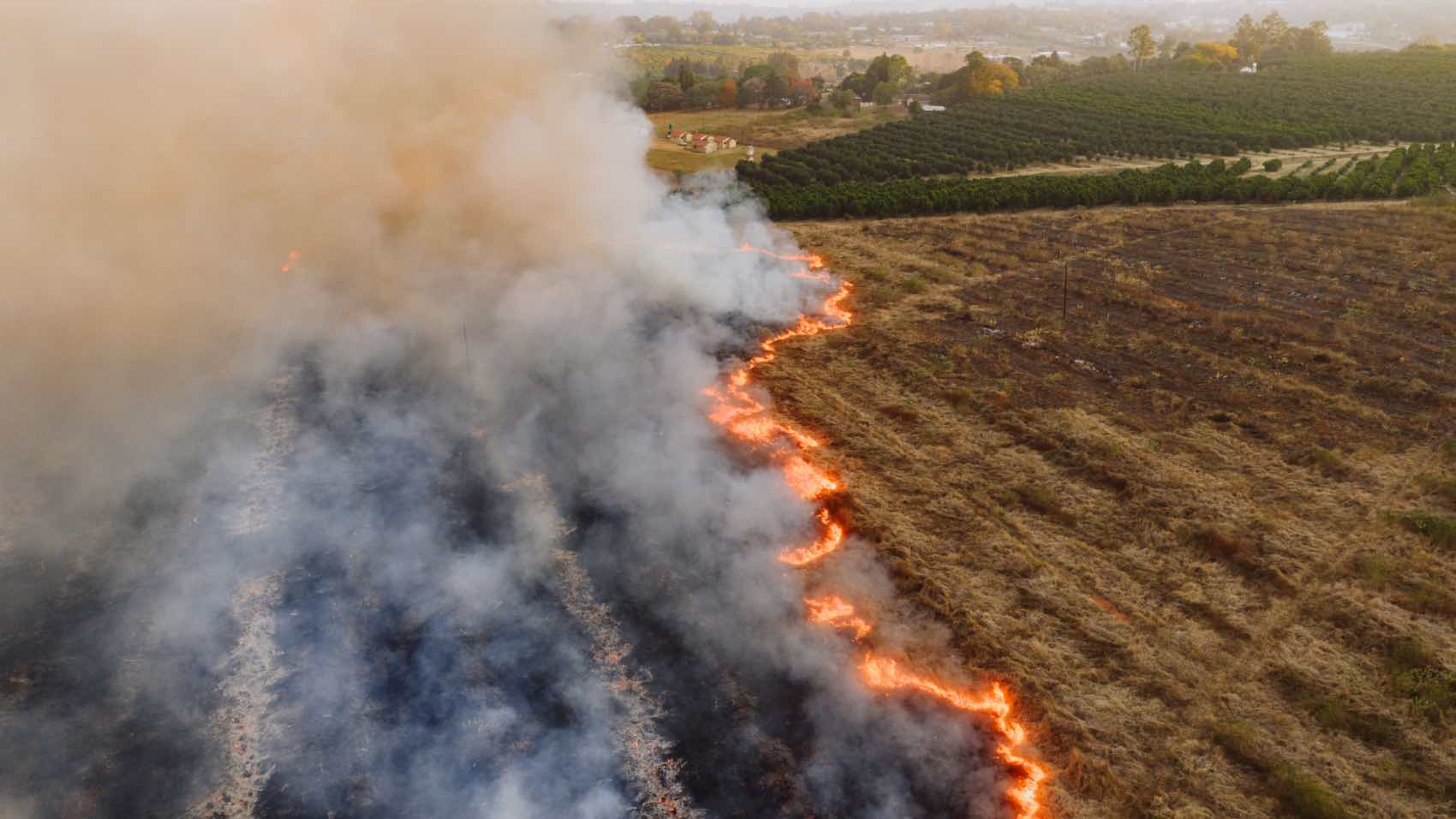
Extreme Heat Is Spreading Into New Months
Phoenix logged zero out-of-season record-heat days in the 1980s and dozens by the 2020s, part of a lopsided worldwide shift pushing heat toward spring in some regions and fall in others.
The latest research stories from ScholarPeer. Search the archive, or use our reader chat to dig deeper and find what's useful to you.
Phoenix logged zero out-of-season record-heat days in the 1980s and dozens by the 2020s, part of a lopsided worldwide shift pushing heat toward spring in some regions and fall in others.
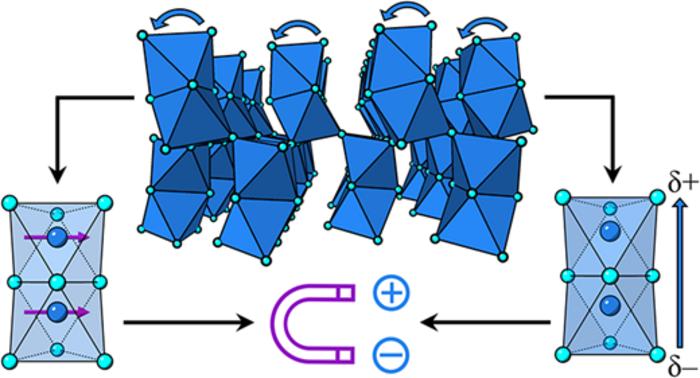
Researchers revisited a decades-old strontium manganite ceramic and found that a single coordinated tilt of paired oxygen octahedra creates both an electric charge and a faint magnetism, letting both survive far above the usual cryogenic cutoff for such materials.

A Stanford trial found teens and young adults rated social media health warnings, already mandated in four states, more discouraging than platforms’ own screen-time nudges, though perceived persuasiveness doesn’t guarantee anyone actually logs off.
A probabilistic model built only from GNSS data collected years before 2025 flagged the same patch of Kamchatka’s megathrust that produced that year’s magnitude 8.8 earthquake, though not when it would strike.

Ovariectomised mice given a cancer therapy built more trabecular structure and lost body weight within eight weeks, hinting one molecule might address two separate consequences of menopause at once.

A study of seven large language models finds that an answer that looks reliable in a single exchange can become unstable after a user repeats a false claim. The results point to a neglected test of AI safety: what happens after the conversation continues.
A urine-derived bacterium converted DHEA (dehydroepiandrosterone) into testosterone in culture, and structural modeling showed how one unusually flexible enzyme could carry out multiple steps in the pathway.
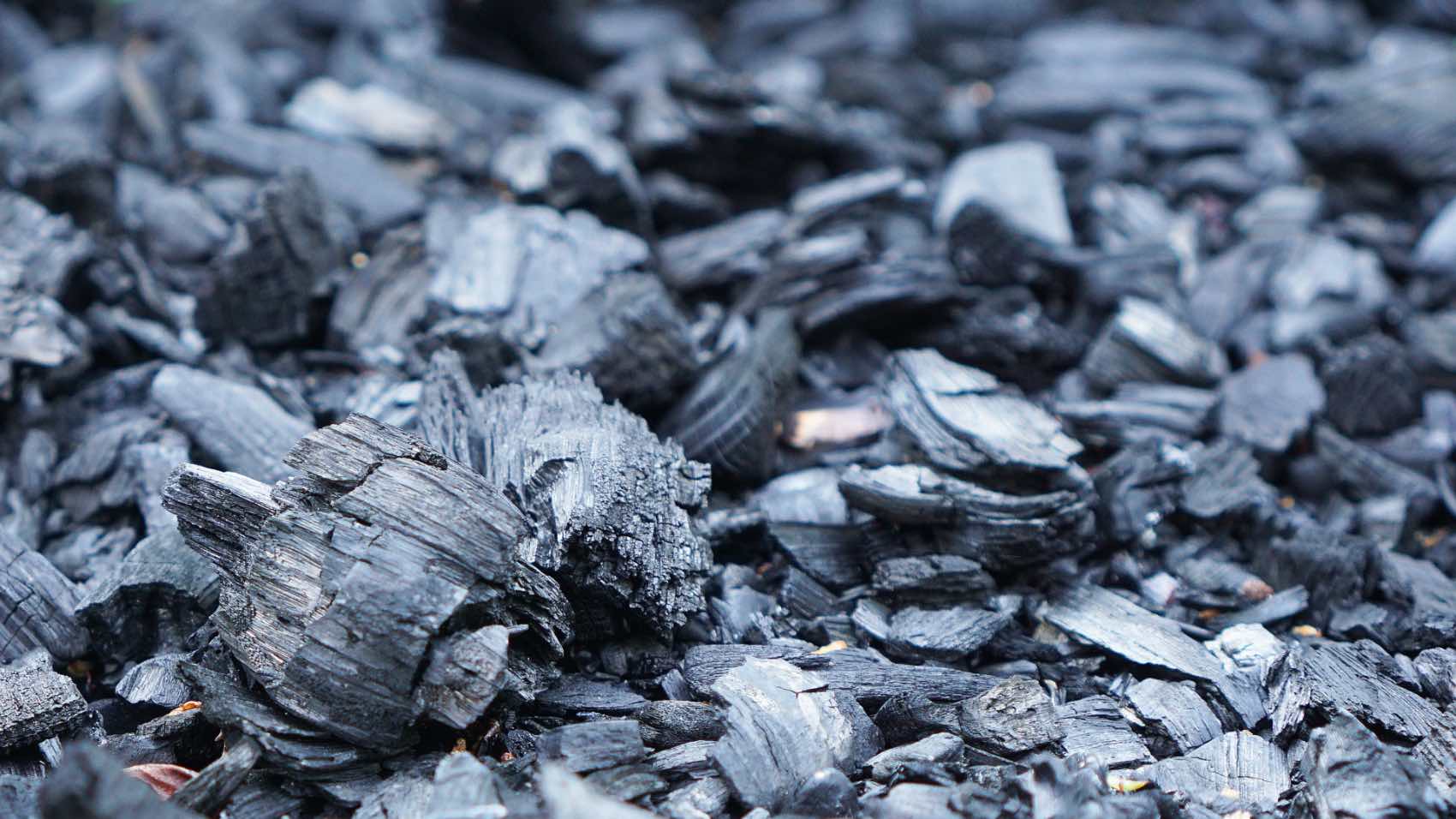
Contaminated crop residue does not have to be burned or buried. A review of pyrolysis studies finds that heating it slowly, away from oxygen, can trap most heavy metals in place while producing charcoal, oil and gas with real uses.
A faint photosynthetic signal separated stressed forests from matched controls before widespread tree death was visible, but drought and coarse satellite pixels still prevent the method from predicting where mortality will occur.
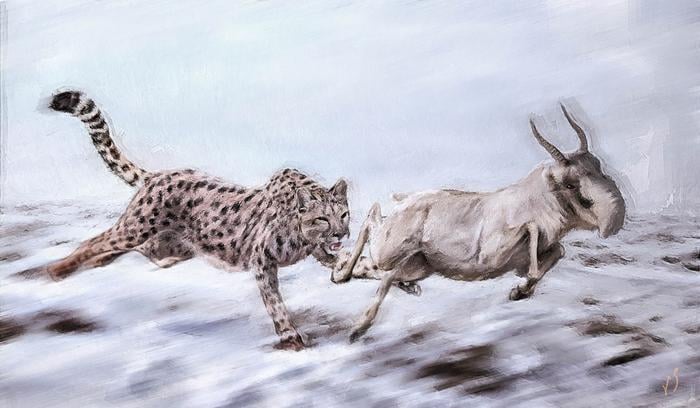
Miracinonyx trumani fossils from the Yukon carry nitrogen isotope signatures higher than any other Pleistocene carnivore in the region, placing these cats a full trophic level above their southern relatives and pointing toward salmon runs rather than grasslands.
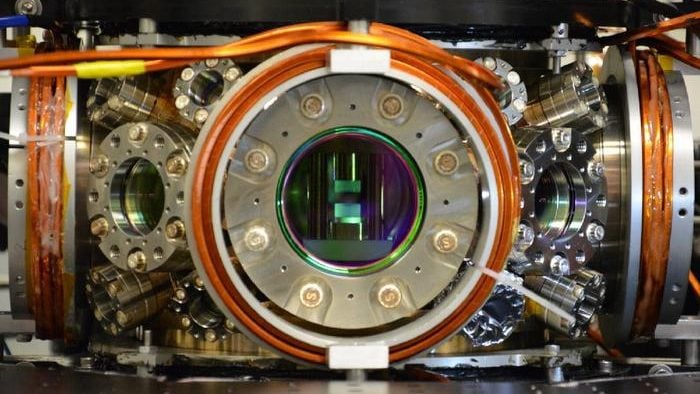
Ultracold atoms trapped by lasers and light bouncing between mirrors formed a spin glass, a notoriously disordered magnetic state, that stored several times more memories than a standard artificial neural network of the same size.
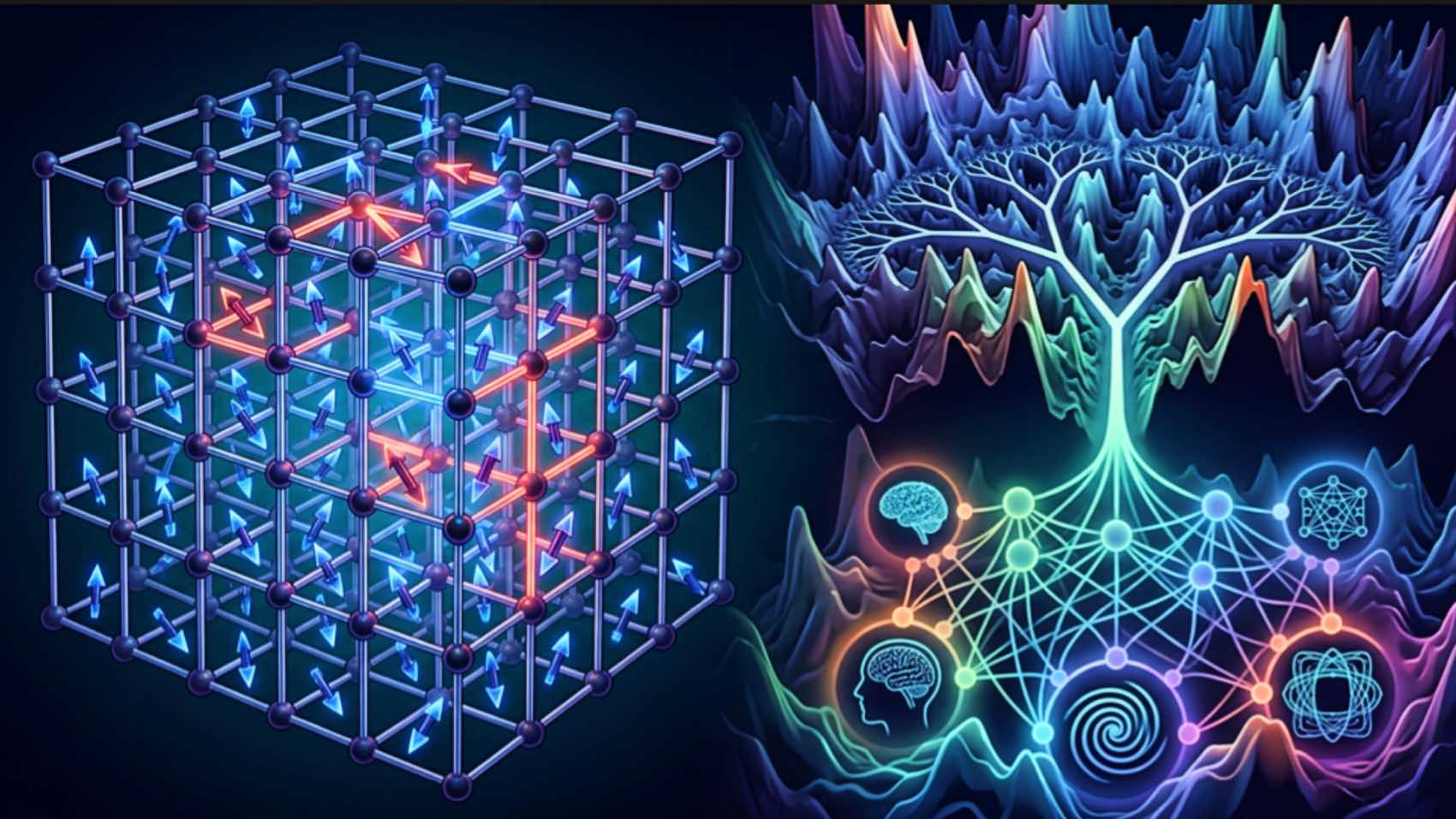
Spin glass is a disordered magnetic state that has quietly shaped neural-network theory, optimization algorithms, and a Nobel Prize. Here is what the physics actually