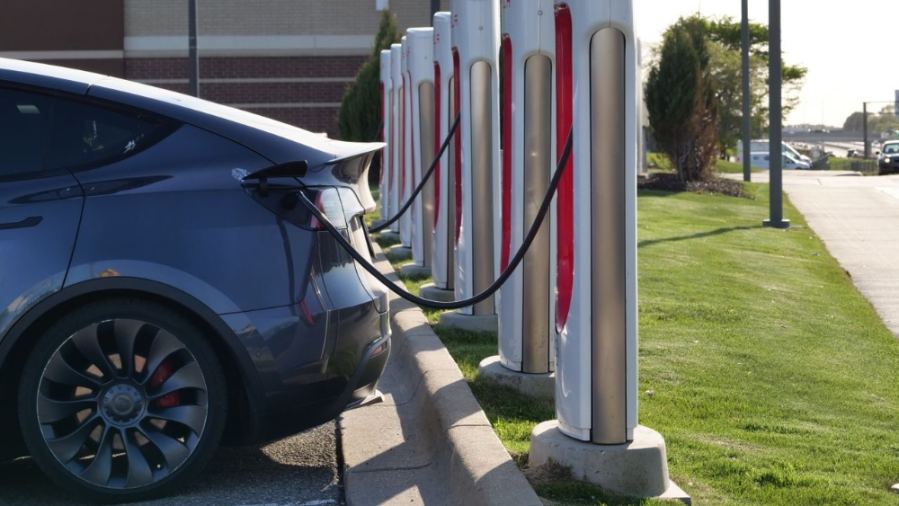
Electric car plugged into a row of charging stations, showcasing modern EV infrastructure.

Air in the Warehouse Can Wreck a Car Battery Cathode

Manganese is added to nickel-rich battery cathodes to protect them. A South Korean team found that if the raw powder meets air before baking, the shield turns corrosive and can double how fast the cell fades. Extra lithium reverses it.

Two protestors at a rally, one speaking passionately into a megaphone, conveying strong messages.

Why Political Moderates Look Like the Enemy to Both Sides

Five preregistered experiments with 3,272 US participants found that people with a stake in an issue read genuinely middle-ground positions as belonging to their opponents. The pattern held only where the issue was moralized and the other side felt threatening, and it did not appear when the moderate was described as rejecting both sides rather than accepting both.

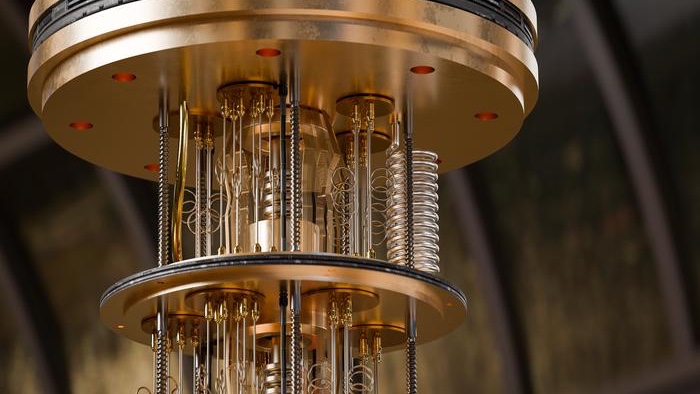
A quantum computer's cooling system keeps its quantum chips at temperatures close to absolute zero. Only under these conditions can the chips exhibit the quantum properties that make quantum computing possible (artistic impression). CREDIT B. Schröder/HZDR

Bigger Quantum Computers Could Freeze Up Instead of Speeding Up

A quirk of quantum measurement could stop one whole class of quantum computer in its tracks. The more qubits you add, the smaller the energy gap the machine relies on becomes, while noise from the surroundings goes on checking up on it just as often as before. All that checking holds the calculation still.

A female researcher examines samples with a microscope in a laboratory setting.

Why the American Science Machine Takes Twenty Months to Say Yes

A new White House science report assembles the metascience case that American research funding has seized up: average age at first NIH grant rose from 36 to 42, drug approvals per billion dollars have fallen eightyfold since 1950, and reviewers scoring the same proposal routinely disagree. It’s a policy document, and it quotes no independent scientists.

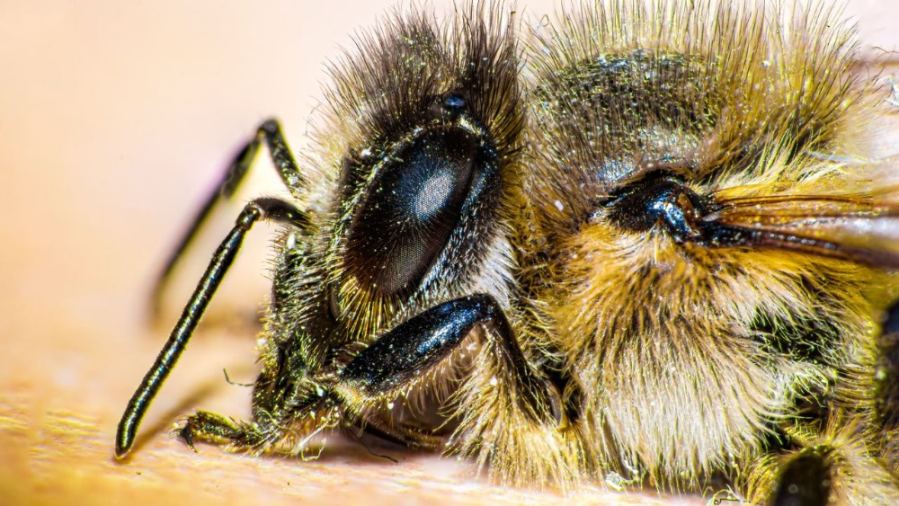
Macro shot of a bee showcasing detailed features, captured in Bursa, Turkey.

Bee Venom Kept Parkinsons Mice Steady After Levodopa Started to Fade

A University of Guadalajara team found levodopa-treated mice slipped from near-normal forelimb symmetry to 30.4 per cent by day 30, while mice given levodopa plus freeze-dried bee venom held at 50.9. Separate research on beekeepers, who are stung constantly, found no reduced Parkinson’s risk.

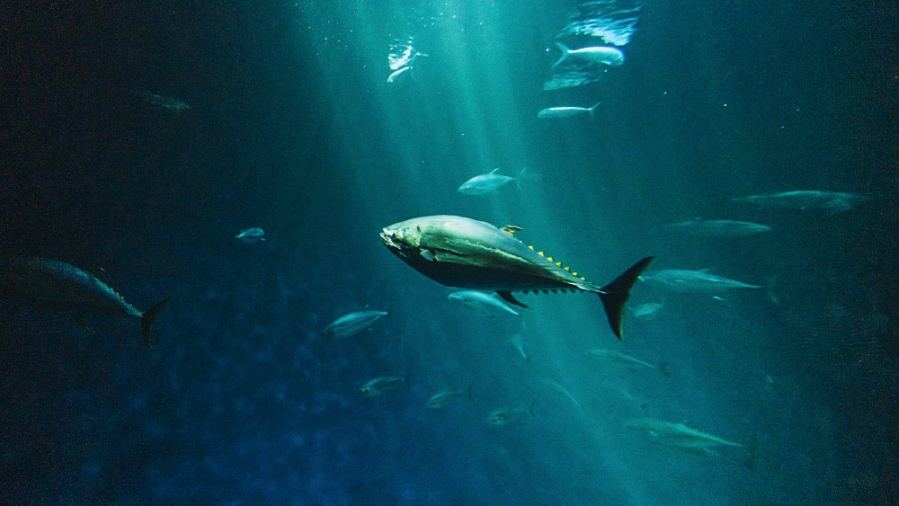
A bluefin tuna swimming gracefully in the deep sea captured with artistic underwater photography.

Tuna Evolution Took 50 Million Years, Not One Asteroid Strike

The textbook version has tunas seizing the niche left by the K-Pg extinction. A new Yale phylogeny dates at least two of three endothermy origins to 10–15 million years after the impact, and the big body-size jump to 10.6 million years ago. The caveat: the branches are long enough that the traits could have appeared anywhere along them.