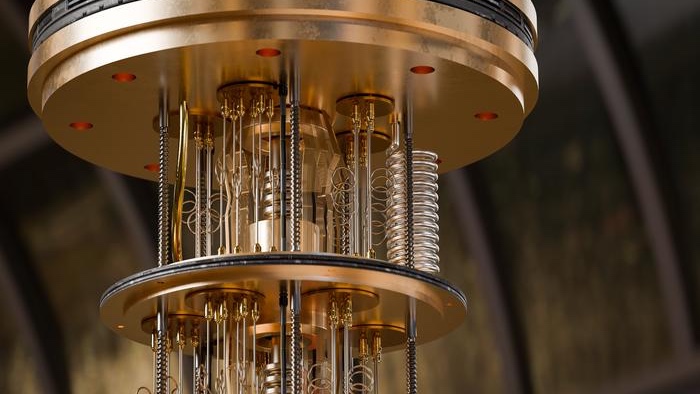
A quantum computer's cooling system keeps its quantum chips at temperatures close to absolute zero. Only under these conditions can the chips exhibit the quantum properties that make quantum computing possible (artistic impression). CREDIT B. Schröder/HZDR

Bigger Quantum Computers Could Freeze Up Instead of Speeding Up

A quirk of quantum measurement could stop one whole class of quantum computer in its tracks. The more qubits you add, the smaller the energy gap the machine relies on becomes, while noise from the surroundings goes on checking up on it just as often as before. All that checking holds the calculation still.

A female researcher examines samples with a microscope in a laboratory setting.

Why the American Science Machine Takes Twenty Months to Say Yes

A new White House science report assembles the metascience case that American research funding has seized up: average age at first NIH grant rose from 36 to 42, drug approvals per billion dollars have fallen eightyfold since 1950, and reviewers scoring the same proposal routinely disagree. It’s a policy document, and it quotes no independent scientists.

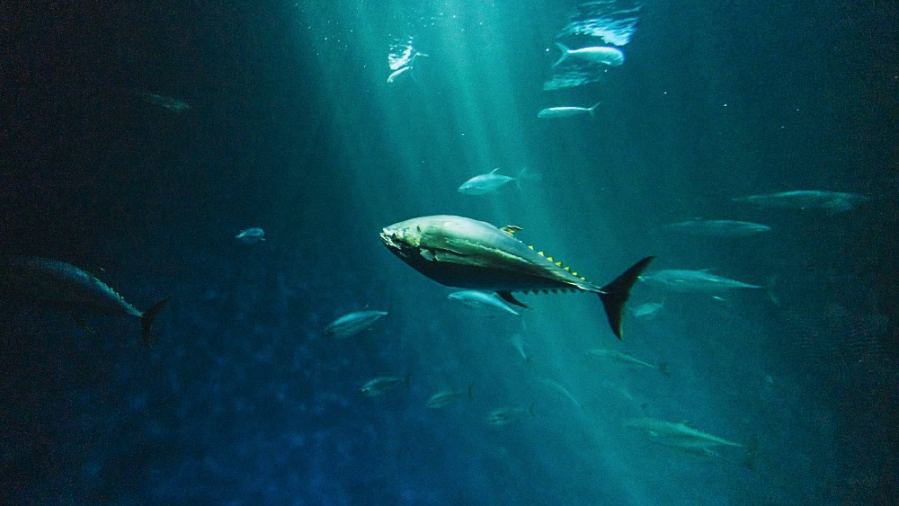
A bluefin tuna swimming gracefully in the deep sea captured with artistic underwater photography.

Tuna Evolution Took 50 Million Years, Not One Asteroid Strike

The textbook version has tunas seizing the niche left by the K-Pg extinction. A new Yale phylogeny dates at least two of three endothermy origins to 10–15 million years after the impact, and the big body-size jump to 10.6 million years ago. The caveat: the branches are long enough that the traits could have appeared anywhere along them.